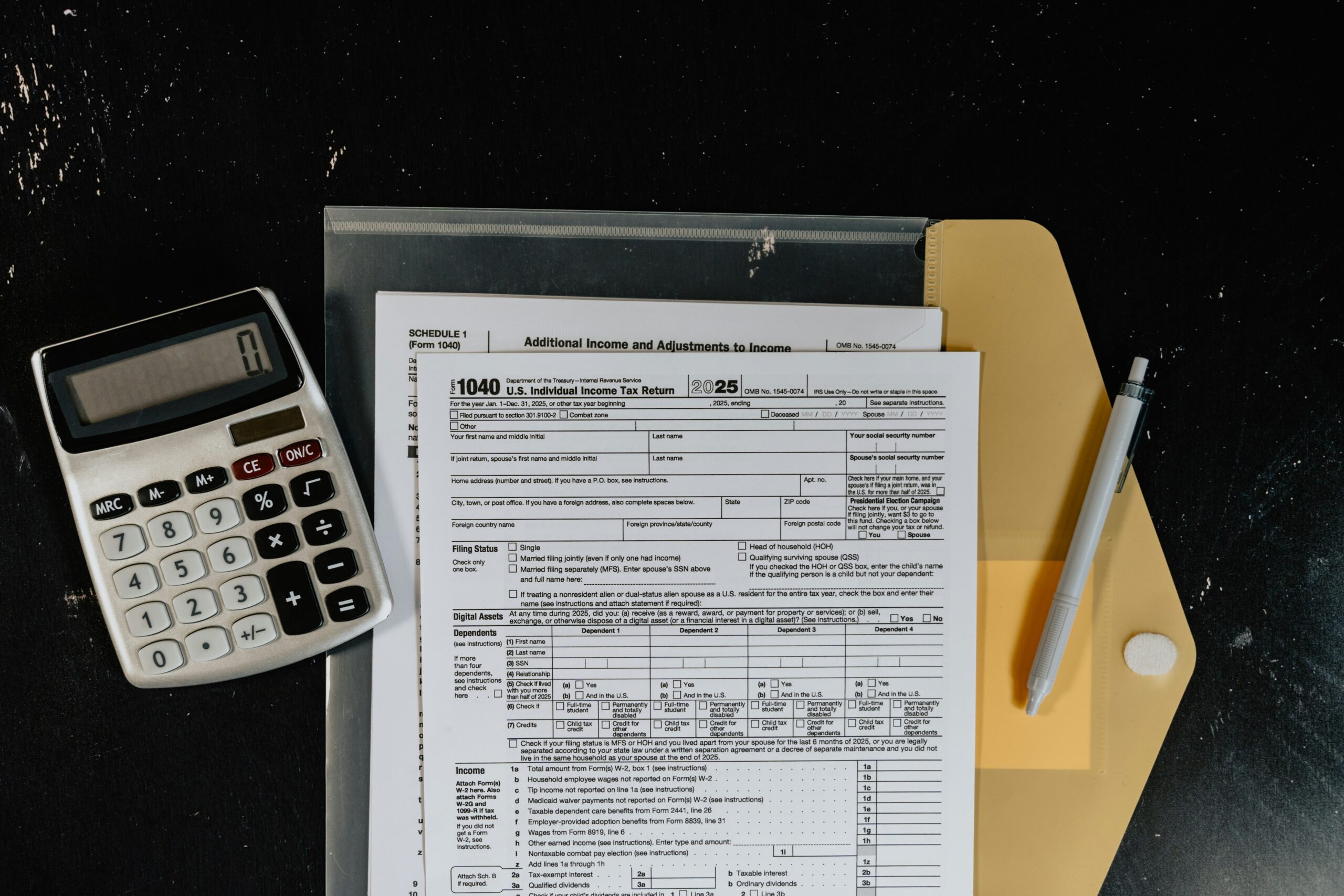
If you’ve ever had a great month of income and still felt your stomach drop when you remembered taxes are coming, you’re not alone. Taxes for self-employed workers hit differently because there’s no payroll department quietly doing the math for you in the background. Getting your head around taxes for self-employed early in the year with H&R Block Online saves you from that last minute panic, and it helps you feel more confident about what you’re actually earning.
Taxes for self-employed can also feel confusing because the rules rarely show up in plain language. Quarterly payments, write offs, and self-employment tax get thrown around like everyone learned this in school. Most people didn’t. Most people learn taxes for self-employed after one surprise bill, then swear they’ll never let that happen again.
This guide walks you through the parts that matter, without turning it into a lecture. You’ll get clear on what counts as income, what to track, and how to stay organized without living inside a spreadsheet. Taxes for self-employed get much less stressful when you have a simple system you can repeat, even when life gets busy. If doing taxes for self-employed has been hanging over your head, this is your sign to make it easier on yourself with H&R Block Online.
Related: 5 Great Reasons to Do Your Own Taxes with H&R Block Online
Why Taxes for Self-Employed Feel So Confusing at First

Taxes for self-employed feel confusing because you’re wearing two hats at the same time. You’re earning money, delivering work, chasing deadlines, and managing everything that keeps your business moving. You also have to handle the tax side, even though nobody sat you down and explained it step by step. When the money arrives with nothing withheld, it’s easy to treat it like it’s all yours, then realize later that you were supposed to save a chunk of it for taxes.
A big part of the stress is that taxes for self-employed don’t feel consistent. One month might be slow, another might be great, and your expenses shift constantly depending on what you’re doing. Advice online often feels vague, too, which makes people second guess themselves. Taxes for self-employed become much easier once you stop trying to do everything perfectly and focus on doing a few things reliably. The goal is to stay ahead of the problem, not scramble to fix it later.
What Counts as Self-Employment Income in 2026
Self-employment income usually includes money you earn from work that isn’t paid through an employer paycheck with taxes withheld. Taxes for self-employed apply when you’re working as a freelancer, contractor, gig worker, small business owner, or someone selling services independently. That includes client work, one off projects, and recurring contracts, even if the work is part time. Plenty of people have a W2 job and still need to deal with taxes for self-employed because they earn extra income on the side.
Common examples of income that typically counts for taxes for self-employed include:
-
Freelance client payments through invoices
-
Contract work where you receive a 1099 form
-
Tips or direct payments for services
-
Earnings from online platforms that pay creators or sellers
-
Digital product sales, downloads, or paid subscriptions
-
Side hustle income, even if it feels small
Payments still count as income even if you didn’t get a tax form for it. Some people assume taxes for self-employed only matter when a 1099 shows up, but the IRS requires taxpayers to report all income, even if no form is issued. Tracking everything, even the smaller payments, gives you a clearer picture of what you earned and what you should set aside. Taxes for self-employed feel less intimidating when you’re not trying to reconstruct your year from memory.
What to Track All Year to Make Filing Way Easier

Taxes for self-employed get dramatically easier when you track a few things as you go. Waiting until tax season to piece everything together is where people lose hours, miss deductions, and end up stressed out over details they could’ve handled in minutes earlier in the year. A basic tracking routine keeps you organized, helps you understand your cash flow, and takes the edge off filing. Taxes for self-employed don’t have to become a whole second job, but they do need some consistency. Here’s what we recommend tracking throughout the year for taxes for self-employed:
- All income, including small payments, tips, and platform payouts
- Business expenses, even the boring ones you forget about later
- Receipts and confirmations for work related purchases
- Home office details, if you qualify and use a space regularly and exclusively for work
- Automobile mileage and travel expenses when driving or out-of-town travel are work related
- Subscriptions and tools used for work, including software and apps
- Quarterly estimated tax payments, if you make them
- Notes on unusual expenses so you remember what they were for
Tracking can be simple. A spreadsheet works, a folder works, and an app works if you’ll actually keep using it. The best system is the one you can maintain without rolling your eyes every time you open it. Taxes for self-employed get easier when your information is already in one place, because filing stops feeling like a scavenger hunt.
Why Use H&R Block for Doing Self-Employed Taxes

Taxes for self-employed can get complicated fast, especially if your income comes from more than one place or your expenses pile up throughout the year. H&R Block Online helps because it walks you through the process in a way that feels clear and manageable, even if you’re not a numbers person. It’s built to guide you step by step, which matters when you’re trying to file accurately without second guessing every decision. Taxes for self-employed feel less overwhelming when you have structure, instead of a blank screen and a pile of receipts.
H&R Block Online can also be a great fit if you want to file from home without feeling like you’re doing it alone. The prompts are designed for real life situations, which makes it easier to track down deductions and enter information in the right places. That’s especially helpful when you’re juggling client work, deadlines, and everything else that comes with being self employed. If your goal is to handle taxes for self-employed with less stress, H&R Block Online makes the process smoother and far less time consuming.
The Best Time to Get Organized for Tax Season Is Now

Taxes for self-employed get harder when you put them off, because the pressure builds quietly in the background. Deadlines arrive faster than you think, and the longer you wait, the more you have to sort through at once. A little planning now can protect your cash flow, reduce anxiety, and help you make better decisions all year. Taxes for self-employed feel much more manageable when they’re part of your routine instead of something you dread.
Taxes for self-employed aren’t a surprise bill, they’re a predictable part of earning income independently. Saving a percentage from each payment, tracking expenses as you go, and checking in once a month creates a system that holds up even when life gets hectic. Taxes for self-employed can be handled calmly, and you deserve that kind of stability. Feeling prepared is a form of peace, and getting started with H&R Block Online is the best way to go.
Choose one step to take today and keep it simple. Open a separate savings account for taxes, pick a realistic percentage to set aside from every payment, and start tracking expenses in one place moving forward. Put a reminder on your calendar to review your numbers once a month, because consistency prevents chaos. Taxes for self-employed don’t have to steal your peace in 2026, and the best way to prove it is to start now with H&R Block Online.
Related: Reasons H&R Block Is the Best Way to DIY Taxes This Year
We hope you love the products we recommend! Just so you know, Talk District may collect a share of sales or other compensation from the links on this page.