
Running a business comes with enough moving parts already, which is why staying ahead of taxes can make such a difference throughout the year. A solid quarterly tax checklist helps entrepreneurs avoid scrambling at the last minute and keeps financial stress from building up over time. Instead of dealing with a huge pile of paperwork all at once, you’re handling things in smaller, more manageable steps.
Many business owners don’t realize how quickly small financial tasks can pile up when they’re ignored for too long. Using a quarterly tax checklist consistently helps you stay organized, track what matters, and avoid unpleasant surprises when payment deadlines arrive. That kind of structure becomes especially important when income varies from month to month.
There’s also a level of confidence that comes with knowing your finances are under control. A quarterly tax checklist gives entrepreneurs a clearer picture of how their business is performing while helping them stay prepared for upcoming obligations. Once you build the habit of reviewing things regularly, tax season stops feeling nearly as overwhelming.
Quarterly Tax Checklist for Entrepreneurs
1. Review Your Business Income

The first step in any quarterly tax checklist should be reviewing all business income from the past few months. This includes payments from clients, product sales, side projects, and any additional revenue streams connected to your business. Looking at the full picture helps you understand how much money has actually come in and what you may owe in estimated taxes.
Many entrepreneurs wait until the end of the year to total their income, which usually creates unnecessary stress. A quarterly tax checklist works best when you consistently monitor income throughout the year instead of trying to reconstruct everything later. It also gives you a better understanding of growth trends and seasonal fluctuations within your business.
2. Organize and Categorize Expenses
Tracking expenses is one of the most important parts of a quarterly tax checklist because deductions can significantly impact your overall tax burden. Business expenses often include software subscriptions, office supplies, marketing costs, travel, internet bills, and equipment purchases. Keeping these organized throughout the year makes filing taxes much easier later on.
It helps to separate personal and business spending as much as possible. Entrepreneurs who mix expenses together often spend far more time trying to sort everything out during tax season. A consistent quarterly tax checklist allows you to stay ahead of this before it becomes overwhelming.
3. Calculate Estimated Tax Payments

Estimated taxes can catch newer entrepreneurs off guard, especially if they’re used to traditional employment where taxes are automatically withheld. A quarterly tax checklist should always include calculating what you may owe for federal and state taxes based on your current income. Waiting too long can lead to penalties and unexpected financial strain.
Many business owners set aside a percentage of each payment they receive specifically for taxes. That approach makes quarterly payments feel much more manageable throughout the year. A quarterly tax checklist isn’t just about organization, it’s about protecting your cash flow and avoiding unnecessary stress later on.
4. Reconcile Business Accounts
Reconciling your bank accounts and credit cards helps ensure your records are accurate before moving into the next quarter. This part of a quarterly tax checklist involves checking transactions, confirming deposits, and making sure expenses are categorized correctly. Small errors become much harder to fix months later if they’re ignored now.
Keeping your financial records clean also gives you a more realistic understanding of your business performance. Entrepreneurs often make better financial decisions when they regularly review their actual numbers instead of relying on rough estimates. Consistency matters here more than perfection.
5. Update Financial Reports
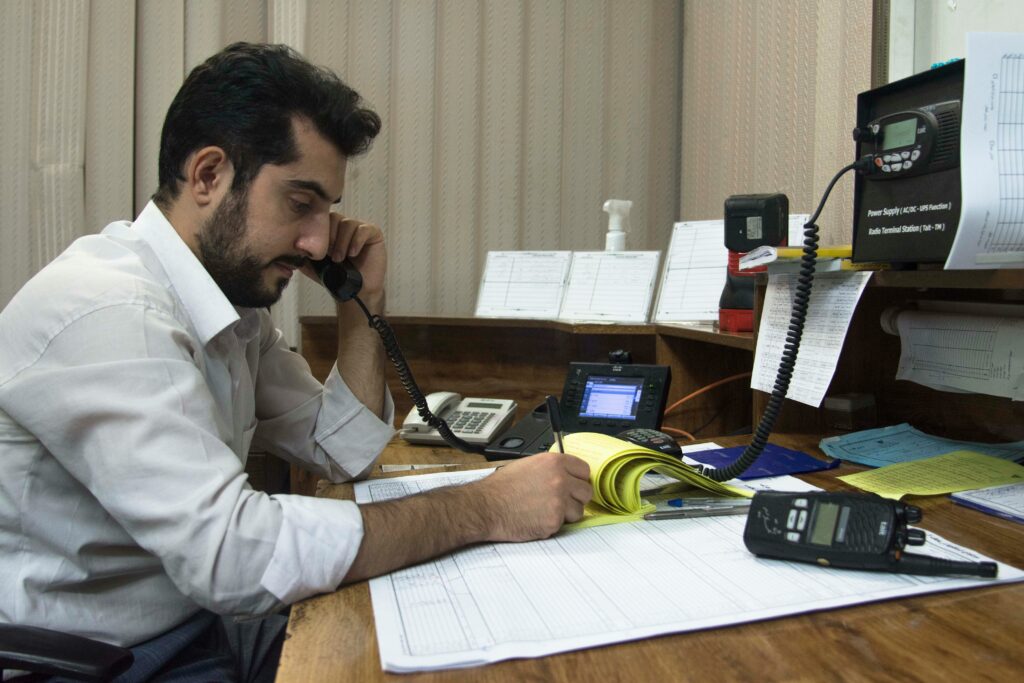
Financial reports help entrepreneurs see where the business stands beyond just day to day spending. A quarterly tax checklist should include reviewing profit and loss statements, cash flow summaries, and other financial reports connected to your business. These reports can reveal spending patterns, revenue trends, and areas that may need adjustment.
This step becomes especially useful when planning for future growth or larger investments. Entrepreneurs who regularly review financial reports often feel more confident making business decisions because they understand their numbers more clearly. It turns taxes into part of a bigger financial strategy instead of just a deadline.
6. Review Potential Tax Deductions
Every quarter is a good opportunity to review deductions you may qualify for before the year gets too far along. A quarterly tax checklist should include looking at home office expenses, mileage, software costs, education expenses, and other deductions tied to your business operations. Missing deductions often means paying more than necessary in taxes.
Keeping detailed records makes this process much easier. Entrepreneurs who save receipts and maintain organized documentation throughout the year usually have a smoother experience during tax season. Small habits now can save a surprising amount of money later.
7. Prepare for Upcoming Deadlines

Tax deadlines have a way of arriving quickly when business owners are focused on everything else. A quarterly tax checklist should always include reviewing upcoming due dates for estimated taxes, payroll filings, and any additional reporting requirements tied to your business structure. Staying proactive helps avoid last minute panic.
Adding reminders to your calendar or using accounting software can help keep everything on track. Entrepreneurs often feel less overwhelmed when deadlines are spread into manageable checkpoints instead of becoming one massive task all at once.
8. Meet With an Accountant or Tax Professional
Even entrepreneurs who handle most financial tasks themselves can benefit from professional guidance throughout the year. A quarterly tax checklist should include checking in with an accountant or tax professional, especially if income has changed significantly or your business is growing quickly. Small adjustments early on can prevent bigger problems later.
Professionals may also identify deductions, planning opportunities, or filing requirements you didn’t realize applied to your business. Staying informed helps entrepreneurs make smarter financial decisions and avoid unnecessary mistakes that could become expensive over time.
Related: 5 Powerful Reasons to File Taxes in Person With a Local Expert
9. Review Financial Goals for the Next Quarter
Taxes are only one part of running a successful business. A quarterly tax checklist should also include reviewing broader financial goals and planning ahead for the next few months. This might involve adjusting budgets, preparing for slower seasons, or identifying areas where spending could be reduced.
Looking ahead regularly creates a stronger sense of control over your business finances overall. Entrepreneurs who consistently evaluate both taxes and financial goals often feel more prepared for unexpected changes throughout the year.
Stay Prepared With This Quarterly Tax Checklist

Staying organized financially doesn’t just make tax season easier, it can completely change how confident you feel running your business day to day. We’ve noticed that there’s just a certain level of relief that comes from knowing your numbers are handled before problems start building up. Using a quarterly tax checklist regularly gives you a clearer understanding of your business while helping you avoid the panic that so many entrepreneurs experience around taxes.
Take the time to build a system that works for your business now instead of waiting until things feel overwhelming. A quarterly tax checklist doesn’t have to be complicated to be effective, it just needs to be consistent. Once you stay ahead of your finances throughout the year, everything about running your business starts feeling way more manageable
We hope you love the products we recommend! Just so you know, Talk District may collect a share of sales or other compensation from the links on this page.