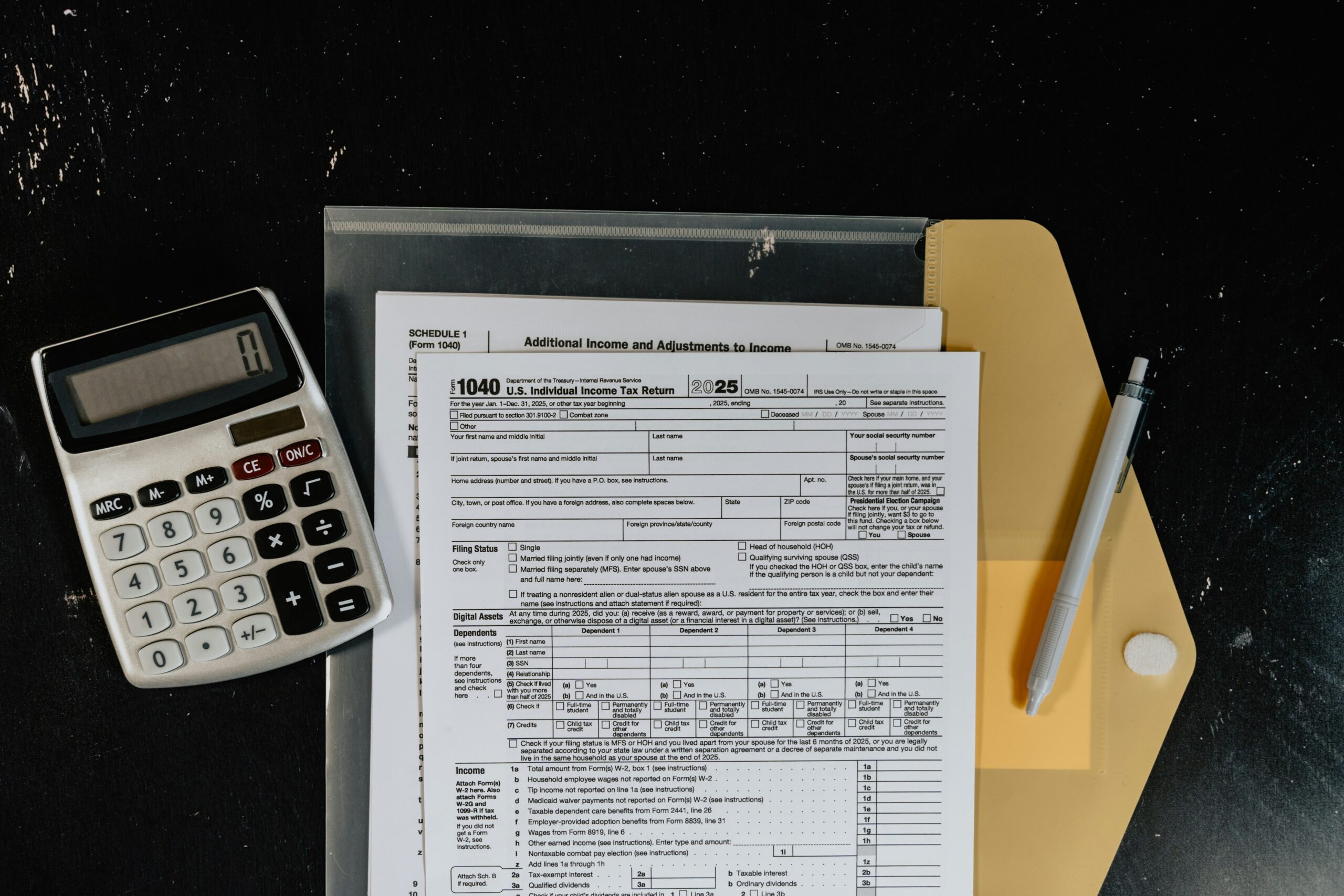
Tax filing is very different for freelancers and small business owners compared to traditionally employed workers. That’s because self-employed individuals have the responsibility of calculating and paying their taxes multiple times a year. For this reason, knowing how to prepare for Q2 estimated taxes (or any quarterly payment) is crucial.
Unfortunately, even the smallest error or mistake can lead to unexpected tax bills or hefty penalty charges. Therefore, it’s worth taking the time to understand how to prepare for Q2 estimated taxes.
What are Estimated Taxes?

Estimated taxes are payments made directly to the Internal Revenue Service on income that does not have taxes automatically withheld. In most cases, this applies to individuals who earn income independently, such as freelancers, independent contractors, gig workers, investors, and small business owners. Estimated taxes cover:
- Federal income tax
- Self-employment tax
- State income tax
- Other applicable taxes
Unlike traditional employees, who typically have federal and state taxes deducted from each paycheck by their employer, self-employed individuals are responsible for calculating and paying their own taxes throughout the year.
If you have to pay estimated taxes, you’ll likely do so on a quarterly basis. Again, this is different from traditional employees, who generally make one large payment during tax season.
Who has to Prepare for Q2 Estimated Taxes?

As a general guideline, estimated taxes are paid by individuals whose income is not automatically taxed through withholding. This includes:
- Freelancers
- Independent contractors
- Gig economy workers
- Small business owners
- Sole proprietors
- Real estate investors
- Retirees with untaxed income
- Individuals earning dividends or capital gains
However, it’s important to note that not everyone is required to make estimated tax payments. Generally, individuals only need to pay estimated taxes if they expect to owe at least $1,000 in federal taxes for the year after subtracting any withholding and refundable tax credits.
When are the Quarterly Estimated Tax Deadlines?
Estimated taxes are typically paid each quarter. If you are required to pay these taxes, it’s crucial to be aware of these deadlines in order to avoid any penalties or late fees.
- Q1 (Due mid-April): Covers income earned from January 1 to March 31
- Q2 (Due mid-June): Covers income earned from April 1 to May 31
- Q3 (Due mid-September): Covers income earned from June 1 to August 31
- Q4 (Due mid-January of the following year): Covers income earned from September 1 to December 31
For 2026, the deadline for submitting your Q2 estimated taxes is June 15th.
How to Prepare for Q2 Estimated Taxes
Step 1: Calculate Your Income

The first step to prepare for Q2 estimated taxes is calculating how much you made in April and May. This includes income from client payments, investment earnings, rental income, or any other taxable income you accrued during these months.
Step 2: Review Your Deductions
You can reduce the amount of tax you owe by taking advantage of deductions. Here are a few common deductions for freelancers or self-employed workers:
- Home office expenses
- Internet and phone bills
- Business mileage
- Software subscriptions
- Advertising and marketing costs
- Professional services
- Office supplies
- Health insurance premiums
Similarly, you can also claim certain credits when you prepare for Q2 estimated taxes. The Child Tax Credit, Earned Income Tax Credit, Education Credits, and Dependent Care Credits can also lower your annual tax liability.
Step 3: Estimate Your Tax Liability
Once you know how much money you made in Q2, you’ll need to figure out the amount of tax you owe the IRS.
To calculate this, begin by taking your total taxable income for the quarter and subtracting any eligible deductions and tax credits. This amount is your net taxable income. Then you can apply the relevant tax rates based on your filing status to determine your estimated tax liability for the period.
The IRS recommends using Form 1040-ES to calculate the payment. The included worksheets can help you estimate your total annual income (along with any eligible credits and deductions) to determine how much you owe.
Step 4: Make Payment Electronically

The final step is to pay your Q2 tax online. The IRS accepts several different payment methods. You can pay with IRS Direct Pay, with EFTPS (Electronic Federal Tax Payment System), or with a credit or debit card. If you are using tax preparation software, you can also submit your payment through their services.
Step 5: Set up IRS Security Monitoring
Online identity protection is becoming increasingly important for small businesses. One way to do this is to use an IRS monitoring service. That way, you’ll get alerts if there are any suspicious filings, changes, or refund theft attempts. Having this extra layer of security can give you peace of mind as you prepare for Q2 estimated taxes.
What if My Estimated Payments Are Off?

Estimated tax payments are just that – estimations! For that reason, it’s common for taxpayers (especially those whose income fluctuates each month) to pay more or less than they actually owe for the year.
However, it’s generally safer to slightly overpay your estimated taxes than to underpay them. If you underpay, you may owe additional taxes when filing your return and could potentially face penalties and interest charges from the IRS. However, overpaying means you’ll likely receive a refund or have the excess applied to future taxes. Some people also choose to get their tax refund via debit cards, especially the unbanked, to access the funds sooner.
Staying Ahead When You Prepare for Q2 Estimated Taxes
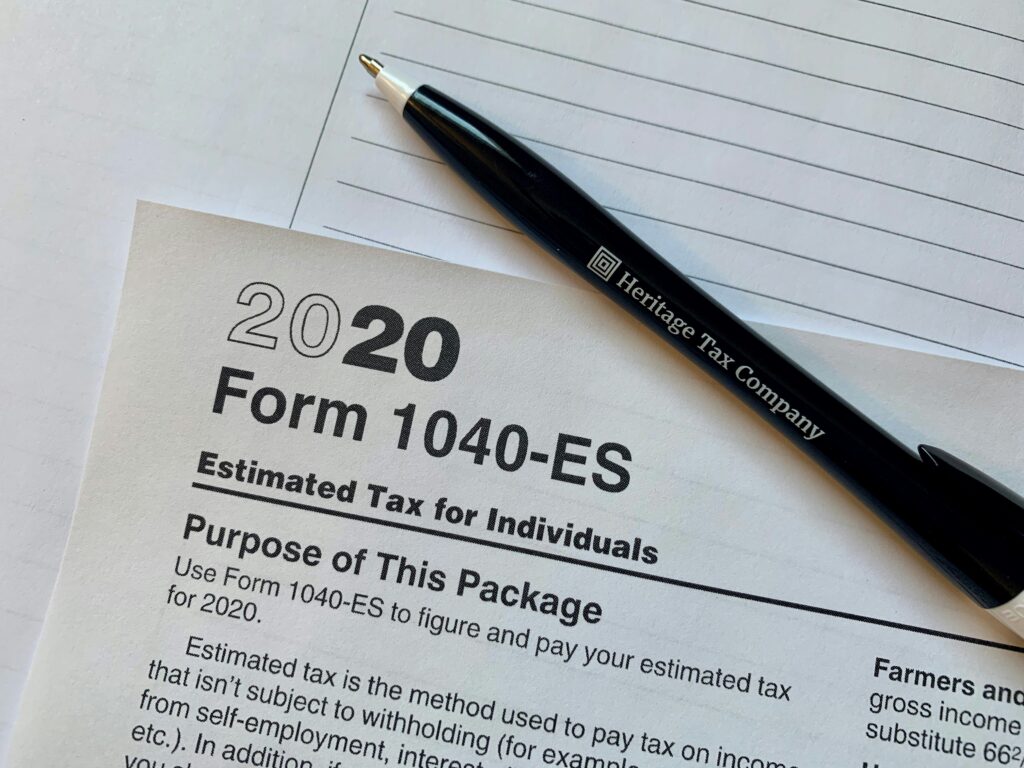
Although it can be daunting to prepare for Q2 estimated taxes, it’s an important aspect of running a small business. By keeping detailed records and regularly reviewing your finances, you’ll be able to avoid any last-minute surprises when the deadline arrives.
Another way to help prepare for Q2 estimated taxes is to consult a quarterly tax checklist. That way, you can stay organized and ensure that everything goes smoothly during the filing process!
Read Next: How to Prepare for a Business Audit and Stay Fully Compliant
We hope you love the products we recommend! Just so you know, Talk District may collect a share of sales or other compensation from the links on this page.