
If you’re self employed, freelancing, running a small business, or earning income that isn’t subject to withholding, staying ahead of tax deadlines is an important part of managing your finances. One of the biggest deadlines to keep on your radar is the payment for q3 estimated taxes. Missing it could result in unnecessary penalties and added stress when tax season arrives.
The good news is that paying q3 estimated taxes doesn’t have to be complicated. Once you understand who needs to make estimated payments, how to calculate what you owe, and where to submit your payment, the process becomes much more manageable. Taking the time to prepare now can save you from scrambling as the deadline gets closer.
Whether this is your first time paying estimated taxes or you’re simply looking for a refresher, this guide will walk you through everything you need to know about q3 estimated taxes. From calculating your payment to avoiding common mistakes, you’ll be better prepared to meet the September deadline with confidence.
Who Needs to Pay Q3 Estimated Taxes?

If you’re wondering whether q3 estimated taxes apply to you, the answer depends on how you earn your income. Unlike employees who have taxes withheld from each paycheck, many people are responsible for making estimated tax payments throughout the year. If you expect to owe at least $1,000 in federal taxes after subtracting withholding and refundable credits, the IRS generally requires you to make quarterly estimated payments.
Self Employed Individuals
People who work for themselves usually don’t have taxes automatically withheld from their earnings. Whether you’re a consultant, photographer, landscaper, or operate another type of business, you’re generally responsible for setting aside money for income taxes and self employment taxes throughout the year. Making q3 estimated taxes on time helps prevent penalties and keeps your tax obligations manageable.
Freelancers and Independent Contractors
Freelancers and independent contractors often receive payments without any taxes being withheld. If you earn income through contract work, gig platforms, or freelance projects, you’ll likely need to pay q3 estimated taxes. Waiting until you file your annual return could leave you with a much larger tax bill than expected.
Small Business Owners
Owners of sole proprietorships, partnerships, and many limited liability companies often pay taxes through their personal tax returns instead of having taxes withheld from payroll. As your business grows, your estimated payments may also increase. Staying current on q3 estimated taxes can make cash flow easier to manage while helping you avoid unnecessary interest and penalties.
Investors and Others With Untaxed Income
Not everyone who owes estimated taxes owns a business. Income from investments, rental properties, dividends, interest, or certain retirement distributions may also require quarterly payments if enough tax isn’t withheld. Reviewing all of your income sources before the September deadline can help you determine whether q3 estimated taxes are required for your situation.
How to Calculate Q3 Estimated Taxes

Calculating q3 estimated taxes doesn’t have to be intimidating. The goal is to estimate how much you’ll owe for the year, then make payments throughout the year instead of paying everything at once when you file your return. While every financial situation is different, following a few basic steps can help you arrive at a reasonable estimate.
Estimate Your Expected Annual Income
Start by estimating how much income you’ll earn before the end of the year. Include revenue from your business, freelance work, investments, rental properties, and any other taxable income. If your earnings fluctuate from month to month, use your year to date income as a starting point and project the remaining months as accurately as possible.
Related: Reasons to Use an Online Tax Preparer for the 2026 Tax Season
Subtract Deductions and Credits
Once you’ve estimated your income, subtract any deductions and tax credits you expect to qualify for. Business expenses, retirement contributions, health insurance premiums for eligible self employed individuals, and other deductions can lower your taxable income. Factoring these into your q3 estimated taxes helps create a more accurate payment amount.
Calculate Your Estimated Tax Liability
After determining your estimated taxable income, apply the appropriate federal tax rates to estimate what you’ll owe for the year. Don’t forget to include self employment tax if it applies to you. Many taxpayers use IRS worksheets or tax software to simplify this process and improve accuracy when calculating q3 estimated taxes.
Divide Your Payments Throughout the Year
Quarterly estimated taxes are designed to spread your tax payments across the year instead of requiring one large payment. If your income remains relatively consistent, dividing your estimated annual tax bill into four payments is often the simplest approach. If your income changes significantly during the year, you may need to adjust future payments to reflect your current earnings.
Related: How to Lower Your Tax Bill If You Work Part-TimeÂ
How to Pay Q3 Estimated Taxes Before the September Deadline

Once you’ve calculated q3 estimated taxes, the next step is submitting your payment before the September deadline. The IRS offers several payment methods, making it easy to choose the option that works best for your schedule and preferences.
Pay Online Through the IRS
Paying online is the fastest and most convenient option for many taxpayers. The IRS allows you to submit q3 estimated taxes electronically through several payment methods, including direct bank transfers, debit cards, credit cards, and digital payment options. Online payments are processed quickly, and you’ll receive confirmation that your payment has been submitted.
Pay by Mail
If you prefer a traditional approach, you can mail your estimated tax payment along with the appropriate payment voucher. Be sure to use the correct IRS mailing address for your location and allow enough time for your payment to arrive before the deadline. Mailing your payment early can help reduce the risk of delays caused by postal service processing times.
Related: Home Office Tax Deduction Rules for 2026: What Remote Workers Need to Know
Keep Records of Your Payment
No matter how you choose to pay, it’s important to keep documentation for your records! Save payment confirmations, bank statements, canceled checks, or electronic receipts in case you need to verify your payment later. Maintaining organized records of your q3 estimated taxes also makes preparing your annual tax return much easier and helps ensure every payment is properly credited.
Don’t Wait for the September Deadline to Figure Our Q3 Estimated Taxes
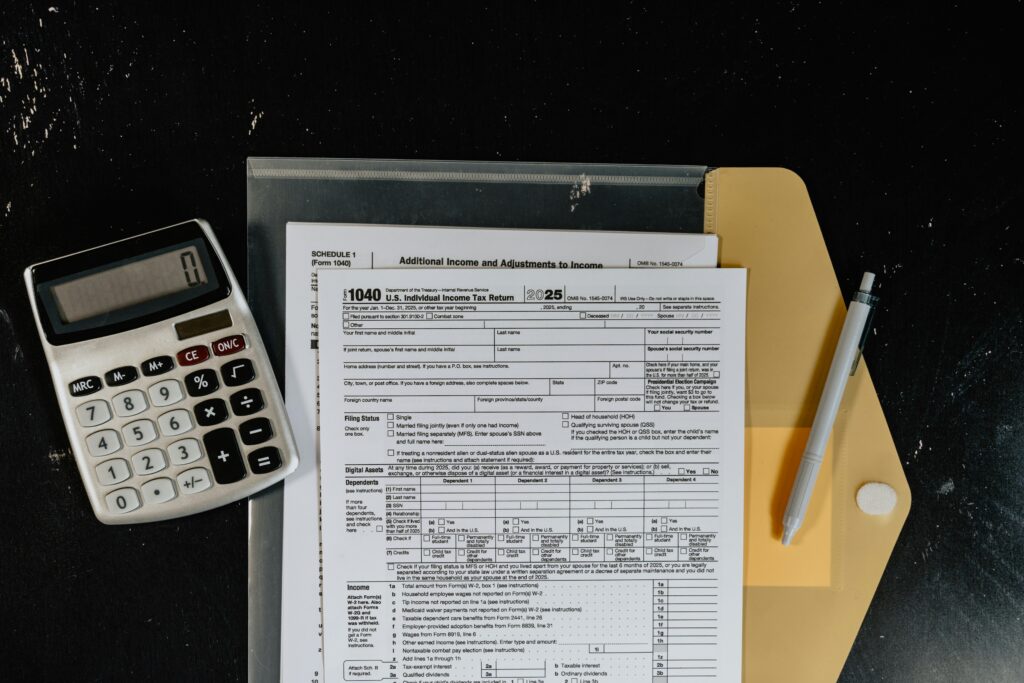
Waiting until the last minute only makes tax season more stressful, which is why now’s the time to take care of your q3 estimated taxes before the September deadline arrives. Setting aside a little time today can help you avoid penalties, reduce financial surprises, and keep your business on track for the rest of the year.
Remember that estimated tax payments aren’t just another item on your to do list. They’re an important part of maintaining healthy cash flow and staying compliant with your tax obligations. The more consistent you are throughout the year, the easier it becomes to manage your finances with confidence.
Taking control of your q3 estimated taxes now gives you one less thing to worry about later. Once your payment is submitted, you can shift your attention back to growing your business, serving your clients, and finishing the year strong, knowing you’ve stayed ahead of one of the year’s most important financial deadlines.
We hope you love the products we recommend! Just so you know, Talk District may collect a share of sales or other compensation from the links on this page.