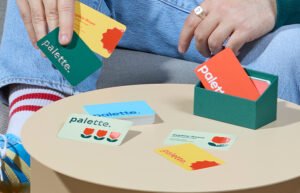
A business card might be small enough to slip into a wallet, but the impression it leaves can be surprisingly big. When you meet a potential client, customer, collaborator, or employer, handing them something polished gives them a tangible reminder of who you are after the conversation ends. The best business card designs make that moment count by combining useful information with a look that feels intentional and recognizable.
Design matters because people make quick judgments about a business, and your card becomes part of that first impression. Color, typography, logo placement, paper choice, and even how much empty space you leave can influence whether the finished card feels professional or forgettable. Looking at the best business card designs can help you figure out which details fit your brand rather than simply copying whatever happens to be popular.
You don’t need an elaborate concept to create a card people remember, either. A simple layout can feel just as distinctive as a bold design when every element has a purpose. Whether you’re starting a new business, refreshing your branding, or finally replacing an outdated stack of cards, these best business card designs offer plenty of inspiration for creating something you’ll be excited to hand out.
What Makes a Good Business Card Design?

A good business card design makes the most important information immediately clear while giving someone a sense of your brand. You shouldn’t have to explain where your phone number is or point out the company name after handing someone your card. Many of the best business card designs look simple at first glance because every color, font, image, and piece of information has a reason for being there.
Keep Your Contact Information Easy to Read
Someone should be able to glance at your card and quickly find your name, business, and preferred way to get in touch. Give important details enough room to breathe, use a readable font size, and avoid squeezing information into every available corner. If someone has to work to figure out how to contact you, the design isn’t doing its job.
Make Your Brand the Focus
Your business card should feel like it belongs to the same company as your website, social media accounts, packaging, signage, and other marketing materials. Use recognizable brand elements such as your logo, colors, typography, or visual style to create that connection.
This doesn’t mean your logo needs to take up half the card. A smaller logo paired with consistent colors and fonts can sometimes make a stronger impression than an oversized design element.
Use White Space to Keep the Design Clean
Empty space can be one of the most useful parts of a business card. Leaving room around your name, logo, and contact details prevents the design from feeling crowded and helps guide attention toward the information that matters.
Some of the best business card designs use plenty of white space even when the background isn’t actually white. The same principle works with black, cream, blue, or another brand color. What matters is giving each design element enough visual breathing room.
Choose Colors That Match Your Brand Identity
Start with the colors already associated with your business whenever possible. A recognizable color palette helps create consistency, while one unexpected accent color can draw attention to a logo, website, or other important detail.
Think about contrast, too. Light gray text on a white background might look sophisticated on a computer screen but become difficult to read once printed. Your card still needs to function as a practical piece of marketing material.
Pick Fonts That Are Easy to Read
Decorative fonts can add personality, but readability should come first. Keep essential details such as your name, phone number, email address, and website in a font people can understand without squinting.
Using one or two complementary fonts is usually enough. Too many typefaces can make a small card look cluttered quickly, while thoughtful typography can make even a very simple design feel polished and intentional.
10 Best Business Card Designs That Make a Lasting Impression
The best business card designs don’t all follow the same formula. A photographer may benefit from showcasing an image, while a consultant might prefer a clean card built around typography and a strong logo. Think about what you want someone to remember about your business before deciding which direction makes the most sense.
Here are some of the best business card designs to consider when you’re ready to create or refresh your own!
1. Minimalist Business Cards

Minimalist business cards strip the design down to what matters most. A name, logo, contact details, and plenty of open space can create a polished look without relying on elaborate graphics. This style works especially well for brands that want to communicate professionalism, simplicity, or a more elevated aesthetic.
2. Bold Color Business Cards

A bright background or unexpected pop of color can make your card much easier to spot in a stack. Choose a shade connected to your branding and pair it with highly readable text so the color enhances the design rather than overpowering it.
3. Monochrome Business Cards

Working primarily with one color creates a clean, cohesive look that can feel surprisingly distinctive. Black and white is a classic combination, but monochrome doesn’t have to mean neutral. Using different shades of a signature brand color can create the same streamlined effect.
4. Photo Business Cards

Photographers, real estate professionals, designers, artists, and other visually driven businesses can let their work do some of the talking. Use one strong, high quality image rather than squeezing several photos onto a tiny card. The reverse side can hold your contact details so the image gets the space it deserves.
5. Illustrated Business Cards
Custom illustrations can make a business card feel personal and instantly recognizable. Consider an illustration of your product, storefront, mascot, signature service, or another visual connected to your brand. This approach can work particularly well for creative businesses, restaurants, boutiques, salons, and independent makers.
6. Typography Focused Business Cards

You don’t necessarily need a large logo or graphic to make an impact. Strong typography can become the design itself, especially when your business name is short and memorable. Play with scale and placement while keeping essential contact details clear.
7. Logo Focused Business Cards
If you’ve invested in a recognizable logo, give it room to stand out. One side of the card can feature the logo prominently while the other handles names and contact information. This keeps the design uncluttered while reinforcing your visual identity.
8. Vertical Business Cards

Turning the traditional business card upright is a simple way to make it feel different without changing the information it contains. Vertical layouts work especially well with tall logos, portraits, stacked typography, or QR codes.
9. QR Code Business Cards

A QR code can connect a physical business card to your digital presence within seconds. Link it to your website, portfolio, booking page, menu, professional profile, or another destination that’s genuinely useful to the person receiving your card. Keep the surrounding area relatively clear so the code is easy to find and scan.
10. Embossed Business Cards

Embossing adds raised texture to selected elements such as your logo, name, or initials. The effect is subtle but tactile, which can make an otherwise simple card feel more premium. It works particularly well when you want sophistication without filling the design with extra graphics.
11. Foil Business Cards

Foil details can bring a little shine to logos, borders, names, or small design accents. Gold and silver are classic choices, but the finish should complement your existing branding. A small amount of foil often makes a stronger impression than covering large portions of the card.
12. Textured Business Cards

Paper choice can become part of the design. A textured stock gives the card a different feel in someone’s hand and can help a simple layout feel more distinctive. Consider how the texture works with your printing method, colors, and overall brand style before choosing it.
Related: 7 Reasons MOO is the Best Place to Order Business Cards
13. Double Sided Business Cards

Using both sides gives you more room without cramming everything together. Keep contact details on one side and use the other for your logo, tagline, QR code, appointment information, or another useful element. Just because you have extra space doesn’t mean you need to fill every inch of it.
14. Creative Shape Business Cards

A nontraditional shape can immediately grab attention, especially when it relates naturally to your business. Rounded corners or a custom shape may make sense for certain creative brands, but practicality still matters. You want the card to stand out without making it difficult for someone to store in a wallet or cardholder.
15. Industry Specific Business Cards

Sometimes the strongest design takes inspiration directly from what you do. A hairstylist might choose a card with space for appointment information, while a real estate professional may prioritize a professional photo and direct contact details. Look at the needs of your customers and the situations where you’ll actually hand out cards rather than choosing a design based on appearance alone.
What Information Should You Put on a Business Card?

Knowing what to leave off can be just as important as deciding what to include. The best business card designs give people enough information to remember you and take the next step without turning a small card into a miniature company brochure.
Start with the details that serve a clear purpose:
- Your Name and Job Title
Include the name you use professionally and a job title that quickly communicates your role. If you’re a business owner, freelancer, founder, consultant, or creative professional, choose wording your audience will understand immediately.
- Business Name and Logo
Your business name should be easy to spot, especially if you’re trying to build brand recognition. Include your logo when you have one, but give it enough space rather than squeezing it between other details.
- Phone Number and Email Address
Include the contact methods you actually want people to use. You don’t necessarily need multiple phone numbers or email addresses. One reliable phone number and professional email address can keep the card much cleaner.
- Website and Social Media
A website gives people somewhere to learn more about your business after you’ve met. Social media can also be useful when a particular platform plays an important role in your work, such as Instagram for a photographer, stylist, restaurant, or designer. There’s rarely a reason to list every account you have.
- Physical Address When Relevant
A physical address makes sense for businesses customers actually visit, including shops, salons, offices, studios, and restaurants. Service based businesses without a customer facing location can usually use that valuable space for something more useful.
- QR Code
A QR code is optional, but it can make a business card much more functional. Send people directly to the page they’re most likely to need instead of automatically linking to your homepage. A booking page, portfolio, digital menu, contact page, or professional profile may be a better destination.
The best business card designs make these details feel like part of the visual identity rather than a checklist squeezed onto a small rectangle. Before sending your design to print, look at every piece of information and ask whether it helps the person receiving the card remember you, understand what you do, or contact you later. If it doesn’t accomplish one of those goals, you probably don’t need it.
Related: How to Buy Online Business Cards
What Makes a Business Card Memorable?
A memorable business card gives someone a reason to look at it twice. That might come from an unexpected color, an interesting texture, beautiful typography, a clever use of space, or simply a design that communicates your brand incredibly well. Many of the best business card designs aren’t overloaded with visual details. Instead, they have one or two distinctive elements that are easy to associate with the person or business behind the card.
Practicality matters just as much as creativity. Your name and contact information should be easy to find, the design should make sense for your industry, and any unusual feature should serve a purpose. The best business card designs leave someone with a clear impression of who you are and what you do, making it more likely they’ll remember the conversation and know exactly how to reach you later.
Related: Digital Business Cards vs. Print: What’s Actually Worth It?
Make Your Next First Impression Count

Don’t wait until your next networking event, client meeting, or unexpected introduction to realize your business cards no longer represent you well. That little card can continue speaking for your business long after you’ve walked away, which makes thoughtful design worth getting right. The best business card designs give people the information they need while making your name and brand easier to remember.
Take inspiration from the ideas that fit your personality, industry, and audience rather than trying to squeeze every design trend onto one card. Strong typography, readable contact information, intentional colors, and a clear visual identity can accomplish far more than an overcrowded layout. The best business card designs feel polished without sacrificing the personality that makes a business recognizable.
Your next opportunity could begin with a conversation that lasts only a few minutes. Having a business card you’re proud to hand over means you’re ready when that moment happens, whether you’re meeting someone at a conference, chatting with a potential customer, or making a new professional connection in an unexpected place. Use the best business card designs as inspiration, create something that genuinely reflects your brand, and make sure the card you leave behind gives people a reason to remember you.
Read Next: How to Simplify Workplace Catering for Busy Teams With ezCater
We hope you love the products we recommend! Just so you know, Talk District may collect a share of sales or other compensation from the links on this page.