
If you’re new to the investing world, figuring out where to put your money can feel overwhelming. From stocks and bonds to mutual funds, there seem to be countless options to choose from. Each comes with its own level of risk, potential returns, fees, and features, which can make it difficult to know where to begin.
However, ETFs are relatively straightforward, making ETF investing for beginners a practical option. While they do come with their own set of risks, ETFs can make it easier to build a diversified portfolio. And with these ETF investing for beginner tips, you can feel much more confident making investment decisions to work towards your long-term financial goals.
What is an ETF?

An ETF, or exchange-traded fund, is a type of investment that contains a collection of assets, like stocks, bonds, or commodities. They’re traded on the stock exchange just like individual stocks. So instead of buying shares in 100 different companies, you’ll simply buy shares of an ETF that tracks an index containing those companies (so your investment is spread out).
Related: How to Start Investing with $500 or Less and Grow Your Money
Benefits of ETF Investing for Beginners
Diversification
One of the main reasons why ETFs are popular is because they help to diversify your investment portfolio. Instead of putting your money in one company, you’ll be investing in a fund that owns shares across multiple companies. Therefore, if one company performs poorly, it’s less likely to have a big impact on your overall investment.
Low Costs
Compared to other types of investments, ETFs have a lower expense ratio, meaning you pay less in fees to own and manage the fund. Lower fees equate to more money invested, which is great if you’re just learning about ETF investing for beginners. For this reason, you’ll want to check the fund’s expense ratio in addition to the share price.
Easy to Buy
You don’t need any complicated platforms to buy ETFs. They are traded on normal stock exchanges, so you can purchase them through your brokerage account. As an added bonus, you may also be able to purchase fractional ETF shares, so you also don’t need a lot of money to get started.
Transparency
One benefit of ETF investing for beginners is that it’s relatively easy to see what you’re investing in. Because ETFs regularly disclose their holdings, you’ll know exactly which assets and companies are included in the fund so you have a clear picture of where your money is going.
Professional Management
If you don’t have the experience or time to track individual stocks, then ETFs could be a great alternative for you. They are more hands-off as they track the index and not the specific company. You don’t need to spend precious hours researching and selecting each company, as the ETF does all that work for you.
Related: How to Start Investing as Self Employed: A Step by Step Guide
Common Types of ETFs
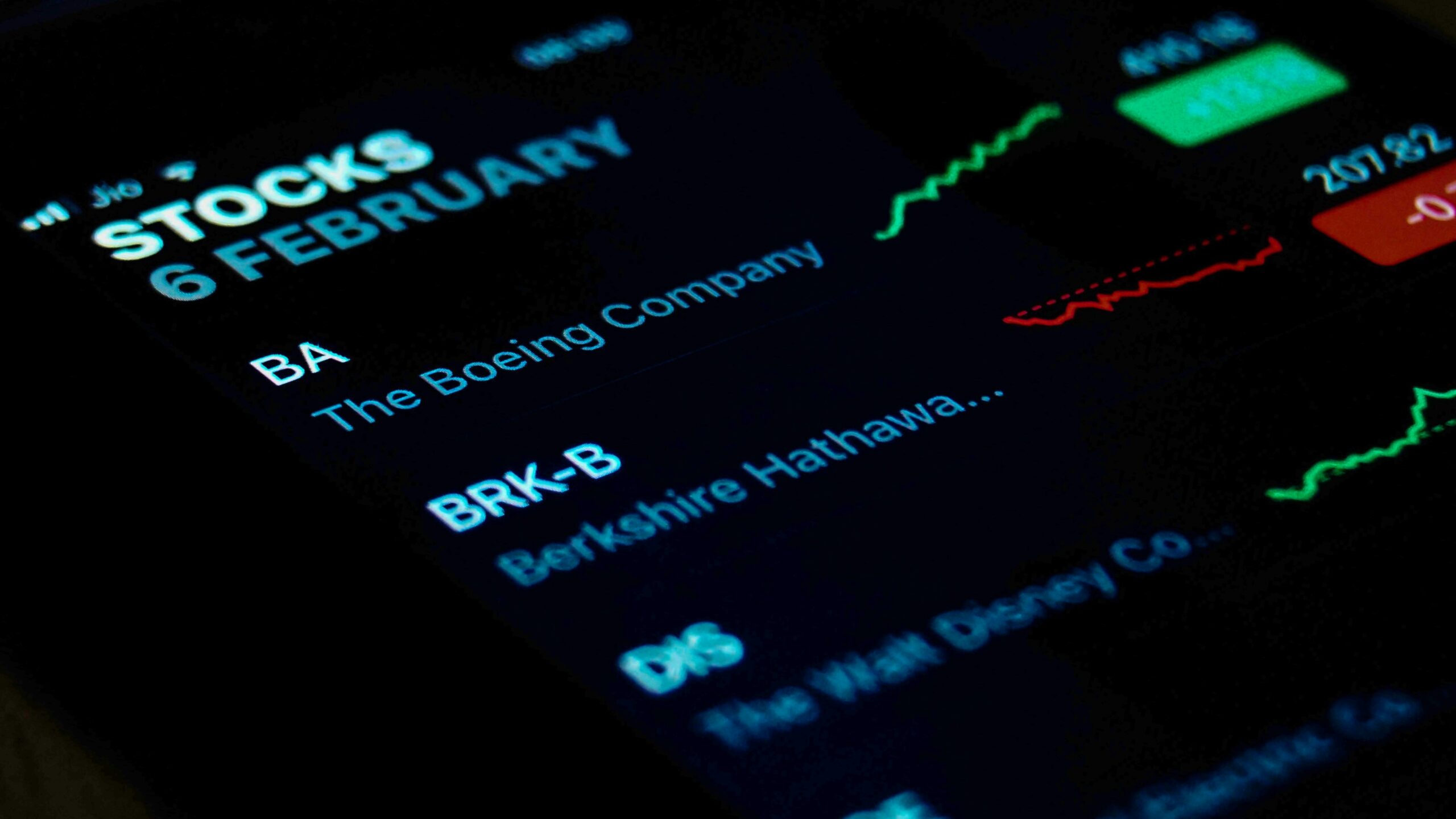
There are hundreds of ETFs to choose from. Each one has a different investment strategy, market focus, and mix of companies and assets. The following list covers some of the most common types, although many can get more specific by focusing on a particular industry or type of company.
- Broad Market ETFs: These are ideal for ETF investing for beginners, as they invest across many companies and can provide instant diversification.
- S&P 500 ETFs: Designed to track the S&P 500, these funds give you exposure to 500 large US companies.
- International ETFs: You can invest in companies outside the US by purchasing different international ETFs.
- Bond ETFs: Instead of investing in stocks, these funds have investments in a collection of bonds, which can diversify your portfolio even more.
- Sector ETFs: These ETFs are focused on a specific type of business (ex: technology, healthcare, energy) so you can target an area of the economy that is doing particularly well.
- Small-Cap ETFs: If you want to invest in smaller companies (more risk but more potential), you can look at small-cap ETFs.
| ETF type | What it invests in | Main consideration |
|---|---|---|
| Broad market ETFs | Stocks across a broad market | Coverage varies by fund |
| S&P 500 ETFs | Large U.S. companies | Limited exposure to smaller companies |
| International ETFs | Companies outside the U.S. | Currency and foreign market risks |
| Bond ETFs | Government or corporate bonds | Interest rate and credit risks |
| Sector ETFs | Companies within one industry | Higher concentration risk |
| Small cap ETFs | Smaller publicly traded companies | Often greater volatility |
Related: Best Investment Platforms of 2026 for Every Type of Investor
ETF Investing for Beginners: How to Choose an ETF
Before you make any financial decisions when it comes to ETF investing for beginners, think about what you want to invest in. For example, are you interested in American companies or would you rather invest in international markets? Are you comfortable with more risk in exchange for potentially higher returns, or would you prefer something more conservative? From there, you can narrow down your options and find ETFs that align with your financial goals.
After you find a fund, check out what holdings they have and what they own. Many investors also want an ETF that is different from other investments in their portfolio. If there is overlap (ex: if you have funds in many of the same companies or funds), then it may not provide as much diversification as you want.
It’s also important to look at their track record and see how closely they’ve followed their benchmark over the last few years. While this isn’t a strong indicator of future success, it can shed light on how the ETF performs in general.
Finally, you’ll also want a clear understanding of the ETF’s annual expense ratio to understand how much you’ll pay in fees. Even the smallest difference can add up over time, so take this into account when deciding how much you’re comfortable spending.
Learn More with ETF Investing for Beginners

When it comes to ETF investing for beginners, it may seem like there are a lot of different factors to consider. The fees, the risks, the types of assets – all of these details can make choosing an ETF confusing, but ETF investing for beginners doesn’t have to be overly complicated. Having a good understanding of the basics can make it easier to compare options and to find a fund that fits your financial goals and what you’d like to achieve long-term and short-term.
Remember, learning about ETF investing for beginners takes time. It’s also worth reading up on beginner-friendly index fund facts in order to see if that’s a better option for your portfolio. The more you know, the more informed you’ll be about your financial future!
Read Next: Best CRM Software for Small Businesses That Don’t Need a Full-Time Admin to Run It
We hope you love the products we recommend! Just so you know, Talk District may collect a share of sales or other compensation from the links on this page.