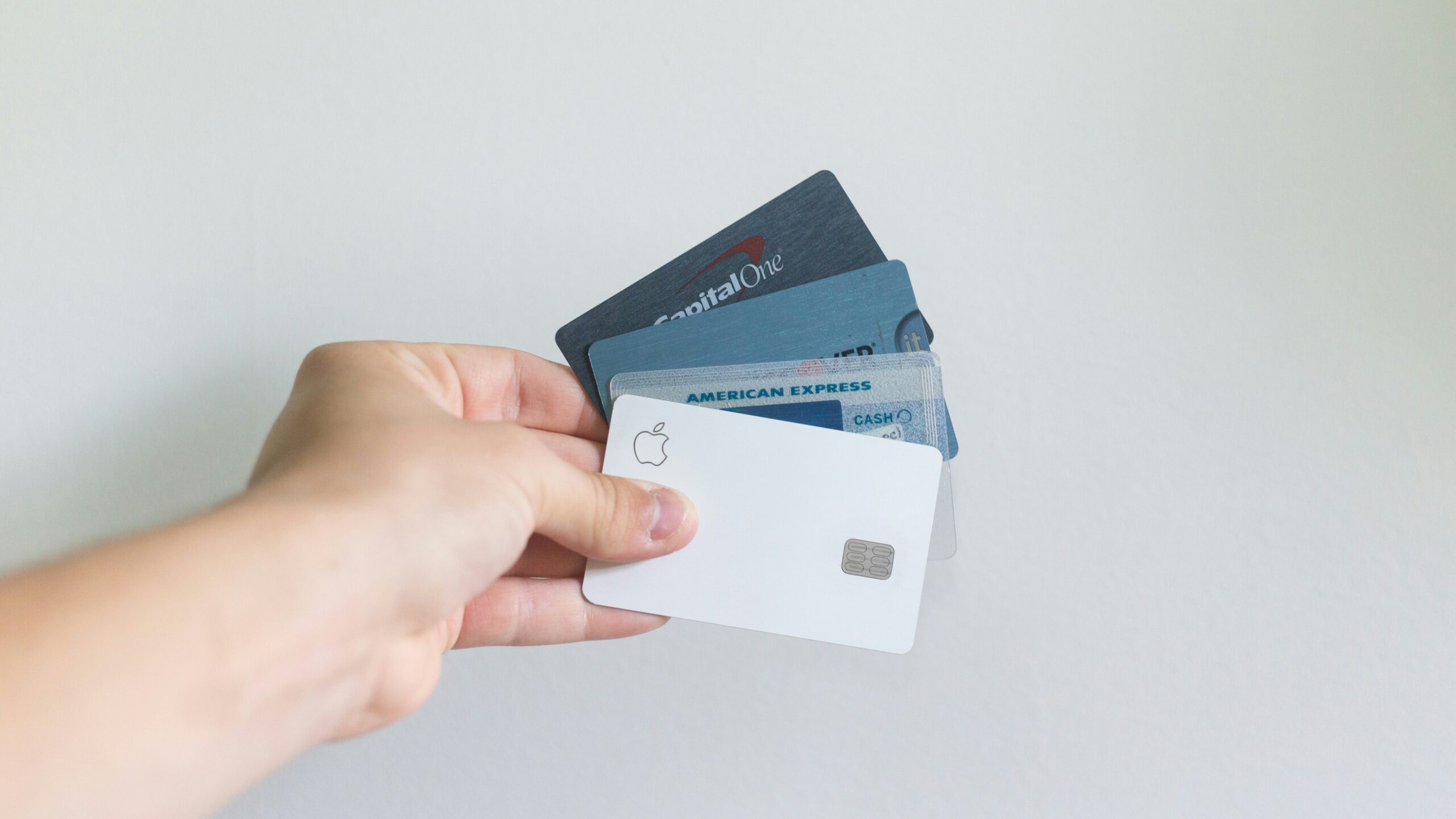
Eager to increase your credit profile? With these credit utilization tips, you can make better financial decisions and improve your score today!
For many people, building credit can be overwhelming. After all, having good credit health is vital for many things we do in life. That includes applying for a mortgage, financing a car, or even making simple day-to-day purchases. That’s why credit utilization is so important—not only for young adults or students but also for anyone looking to improve their financial standing.
But credit scores are impacted by many things, which can make it difficult to know what’s helping or hurting. In this article, we’ll take a look at credit utilization as a whole, as well as some tips on how to boost your score.
What is a Credit Score?

To put it simply, a credit score is a three-digit number that predicts how likely you are to pay debt on time. Your creditworthiness is used by various vendors, including banks, landlords, and insurance providers. Essentially, the higher your credit score, the lower your financial risk.
What is Considered a Good Credit Score?
The most common credit score is determined by FICO and ranges from 300 to 850.
-
300 – 579: Poor
-
580 – 669: Fair
-
670 – 739: Good
-
740 – 799: Very Good
-
800 – 850: Exceptional
As we stated earlier, lenders prefer a higher credit score as it represents your ability to repay a loan or debt. Lower credit scores are riskier investments and may result in much higher interest rates or even a loan rejection.
What Impacts Your Credit Score?

There are numerous indicators that determine your credit score. However, one of the strongest factors is your payment history. If you make on-time payments (i.e., for your credit card or loan), you’ll likely have a higher credit score. Missed or late payments, on the other hand, often negatively impact your credit score.
But payment history isn’t the only factor to consider when talking about credit utilization. Your credit history (especially the length of time you’ve held the account) can make a difference. The different types of credit you have, along with how often you apply for credit, will also influence your credit score.
Credit Utilization: Tips for a Higher Credit Score
Pay Your Balances in Full

As we mentioned, obtaining a high credit score relies on paying off your debt or outstanding balances. It’s highly recommended to pay off the full balance each month. Not only will this help you avoid late fees and interest charges, but it can also improve your credit score.
On top of paying the full amount, it’s also a good idea to pay early if possible (like when you get paid in your online banking app). When the credit card company reports the payment date to the credit bureau, it will show an early payment. Additionally, it reduces your balance and frees up available credit.
Request a Credit Limit Increase
Having a higher credit limit with your bank or credit card can positively improve your credit profile. However, you should only request a credit limit if you are a responsible spender (or if your income has gone up). If you’ve missed payments, you likely won’t have enough good credit to be approved for a higher limit.
Distribute Charges Across Multiple Credit Cards

If you’re struggling to make payments on time, you might consider spreading out your spending on multiple cards. This avoids maxing out a single credit card, which will negatively impact your credit profile. To future lenders, you’ll also appear more stable and not overly reliant on one source of credit.
But keep in mind that managing multiple cards can be tricky, so it’s only suggested if you can responsibly pay off each one on time. The same goes for a loan. While it’s okay to take on additional credit lines (like with a holiday loan), never take out more than you can repay.
But Be Careful About Applying for New Credit
Although it can be tempting to open new cards to distribute charges, there are some negative consequences for doing so. For one, your credit temporarily drops every time a hard inquiry is done on your credit report. So if you apply for too much credit or too many cards in a short period of time, it could affect your likelihood of being approved.
Don’t Close Old Accounts
Your credit history is influenced by the length of your credit lines, whether it’s with a credit card, a lender, or a bank. That’s because a long credit history is a sign of experience and stability. If you are able to keep the accounts open, you increase the age of your account and therefore your long-term credit score.
Become an Authorized User

If your spouse or family member is a primary cardholder, they may have the option to add you as an authorized user. Authorized users will then get their own credit card tied to the same account and can make purchases as they see fit. However, the authorized user is not legally responsible for the account or making payments.
Being an authorized user on someone’s card can improve your credit score, especially if the primary cardholder has a strong payment history. And since no credit check is required, you won’t have to worry about any temporary dips in your profile. But do keep in mind that late payments can also negatively impact your credit score, so make sure to only join an account with a positive history.
Credit Utilization is the Key to Financial Freedom
With these credit utilization tips, you’ll be in a better position to secure loans or apply for new lines of credit. It doesn’t matter if you’re building credit for the first time or starting a business and opening up an online banking account. Understanding credit utilization and having a strong credit profile will always be the key to financial freedom!
We hope you love the products we recommend! Just so you know, Talk District may collect a share of sales or other compensation from the links on this page.