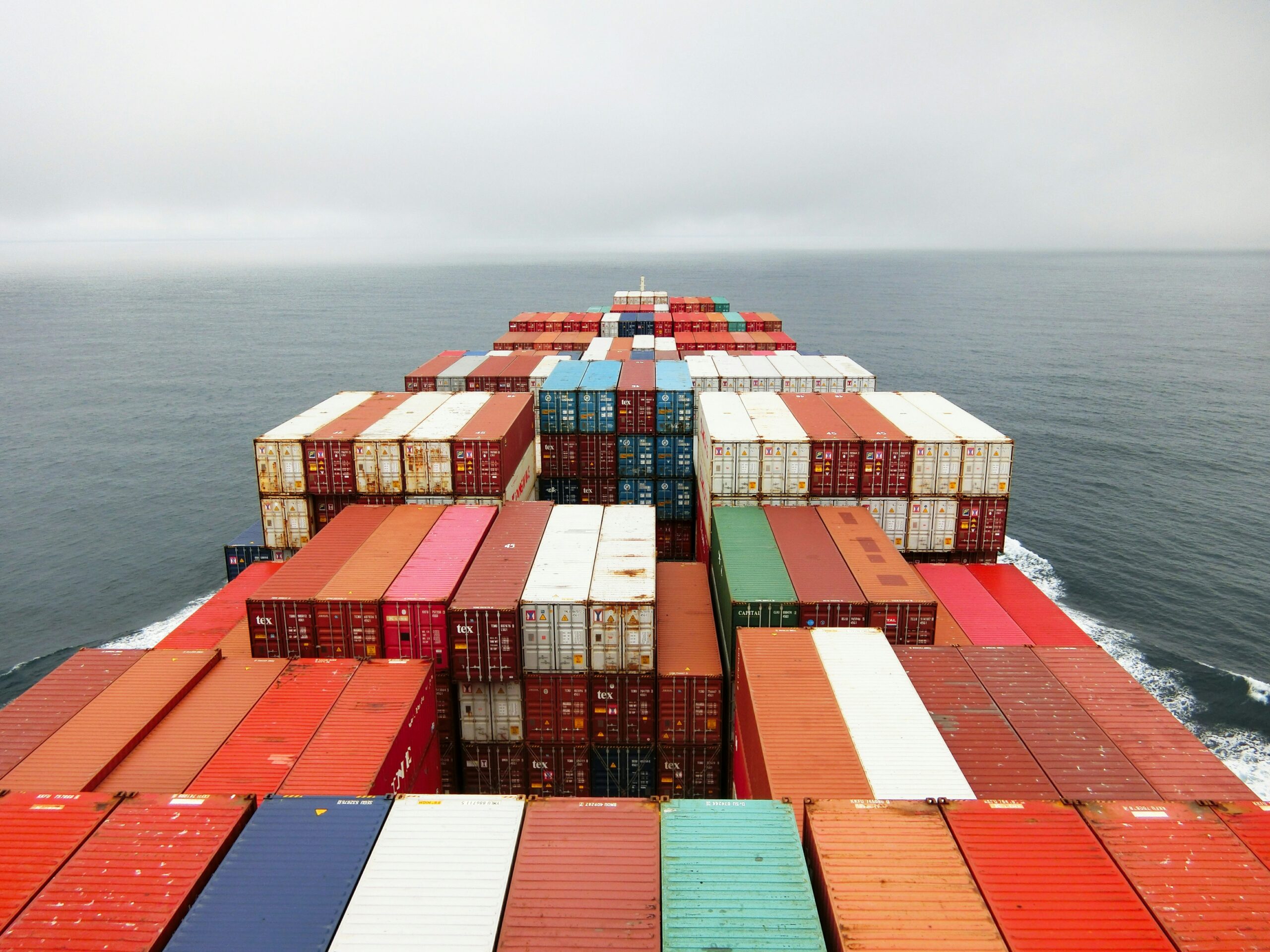
In today’s global economy, world imports play a major role in how businesses operate and grow. Whether you own a small retail store or manage a large manufacturing operation, the availability and cost of imported goods can directly affect your bottom line. From sourcing raw materials to stocking finished products, understanding world imports is no longer optional, it’s essential for staying competitive.
When businesses understand how world imports influence supply chains, pricing, and inventory management, they can make smarter decisions that boost efficiency and profitability. World imports can bring cost savings, quality materials, and variety, but they can also pose challenges like tariffs, shipping delays, and shifting trade policies. In this blog, we’ll break down exactly what world imports are, why they matter, and how they can shape your company’s future.
What Are World Imports and Why Do They Matter?
World imports refer to goods and materials purchased from foreign countries and brought into a domestic market. For businesses, world imports allow access to a broader range of products, materials, and technologies that may not be readily available locally. These imported items can range from raw materials used in manufacturing to fully finished consumer goods.
Understanding world imports is critical because they directly influence your pricing, inventory, and profit margins. When you rely on international suppliers, you’re impacted by factors like currency exchange rates, global demand, and international shipping costs.
Knowing how world imports influence costs, sourcing, and logistics can help businesses stay competitive. For a closer look at tools that help save on sourcing and procurement, and a number of apps can help you handle the financial side of this. Knowing how world imports fit into your business operations helps you stay competitive, flexible, and able to deliver consistent value to your customers.
Key Terms to Know When Working With World Imports
When engaging in world imports, it’s important to understand the terminology that governs international trade. These key terms will help you navigate contracts, compliance, and communications more effectively:
- FOB (Free on Board): Indicates whether the buyer or seller is responsible for shipping costs and risks once the goods leave the export country.
- Customs Duties: Taxes imposed on imported goods, often based on product type, value, or country of origin.
- HS Code (Harmonized System): A standardized code used to classify goods for import and export documentation.
- Lead Time: The time it takes from placing an order to receiving the goods, which is often longer with world imports.
- Incoterms: International trade rules that define the responsibilities of buyers and sellers regarding delivery, risk, and costs.
How World Imports Affect Your Supply Chain
World imports can significantly impact every stage of your supply chain, from sourcing to delivery. By choosing imported goods, you often gain access to cost-effective materials or specialized products unavailable locally. This can help reduce production costs and expand your product offerings.
However, the global nature of world imports also introduces complexities such as longer shipping times, potential delays at customs, and increased exposure to global disruptions. To manage these risks, businesses must build flexibility into their logistics planning and maintain strong communication with overseas suppliers. Monitoring your import activity ensures that your supply chain stays lean, predictable, and efficient even when relying on international sources.
Understanding Tariffs and Duties on World Imports

Tariffs and duties are financial charges placed on imported goods by the government. These fees vary based on the product category, origin country, and trade agreements in place. For businesses relying on world imports, tariffs can significantly affect pricing, profitability, and competitiveness.
Understanding how tariffs are calculated is essential. Some countries impose ad valorem duties (percentage of the value), while others apply specific duties (fixed dollar amount per unit). Staying informed about current trade regulations can help you avoid unexpected costs and keep your pricing strategy intact. You should also explore trade agreements or exemptions that may apply to your specific industry or product to help reduce the cost burden of world imports.
Top Industries That Rely on World Imports
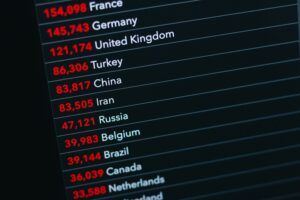
Certain industries are particularly dependent on world imports due to the nature of their products, materials, or technology. Here are a few examples:
- Retail: Clothing, electronics, furniture, and household goods are frequently sourced internationally to access variety and cost savings.
- Manufacturing: Many manufacturers import raw materials like steel, plastics, and chemicals from global markets.
- Food & Beverage: Specialty ingredients, wines, and produce are often sourced from around the world to meet demand and ensure quality.
- Technology: The tech industry imports everything from semiconductors to completed devices to maintain innovation and availability.
- Automotive: Vehicle components are commonly sourced from multiple countries, especially in complex, global supply chains.
The Risks and Rewards

These imports come with both advantages and potential drawbacks. On the reward side, businesses gain access to unique products, lower production costs, and increased flexibility in sourcing. This can help expand product lines, improve margins, and boost overall competitiveness in your market.
On the risk side, these imports expose you to logistical challenges, currency fluctuations, political instability, and compliance requirements. Delays at ports, rising freight costs, and customs inspections can all affect your timelines and bottom line. That’s why it’s important to weigh the pros and cons, work with trusted global partners, and ensure you have contingency plans in place. When managed well, these imports can drive long-term growth and innovation within your business.
How to Strategically Navigate World Imports for Success

Now more than ever, the ability to successfully navigate world imports can be a defining factor in your business’s long-term success. With global markets constantly evolving, it’s crucial to stay informed about trade regulations, international sourcing trends, and currency shifts that may impact your bottom line. The right strategy can give your company access to better pricing, more diverse offerings, and greater agility in a competitive marketplace.
Whether you’re importing goods for resale or raw materials for manufacturing, staying updated on world imports trends allows you to anticipate risks and seize opportunities. By developing strong supplier relationships and building flexibility into your logistics, you’ll be better prepared to manage the ups and downs of international commerce.
We hope you love the products we recommend! Just so you know, Talk District may collect a share of sales or other compensation from the links on this page.