
When it comes to growing your business, a healthy credit score range is vital for attracting vendors and investors. But understanding all the different factors at play can be confusing, especially because it’s quite different from personal credit scoring. While the concepts are similar, the different scoring models, determination factors, and ranges are things all small business owners should be aware of.
To help, we’ve put together a guide on small business credit score ranges. We’ll even share some actionable strategies to help improve your score to lock in higher loans and score more favorable terms with lenders!
Establishing and maintaining a strong credit score range not only impacts your ability to secure funding but also plays a role in building trust with potential business partners. Since lenders rely heavily on these scores, knowing where your company falls within a credit score range can give you insight into what opportunities you qualify for. By monitoring your credit score range regularly and taking proactive steps to improve it, you set your business up for long-term financial success.
What is a Small Business Credit Score?
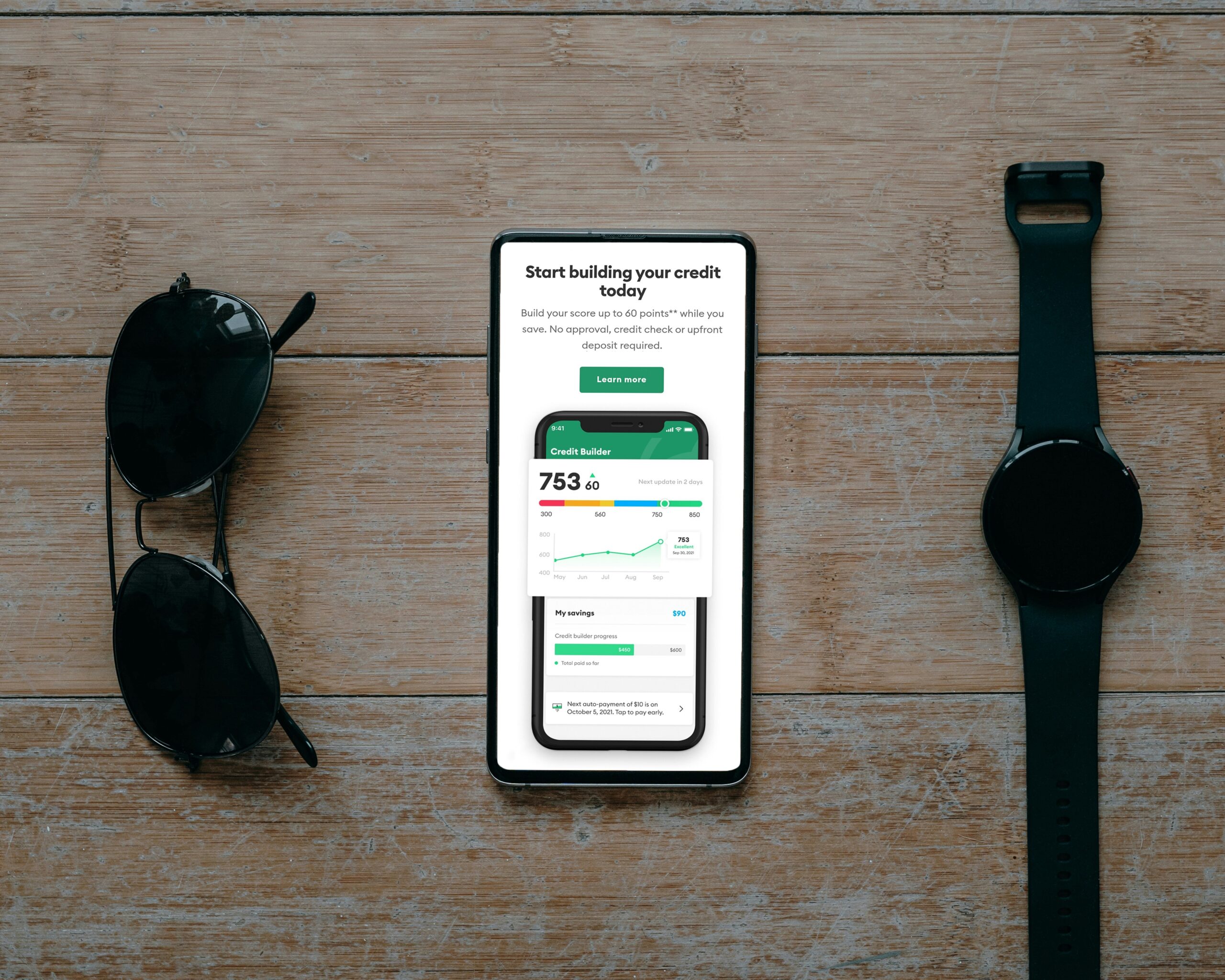
Similar to a personal credit score, a small business credit score range measures your financial reliability and creditworthiness. However, it’s tied directly to your business entity rather than your personal finances or social security number.
For this reason, a business credit score range takes into account different factors, like industry risk, company size, and payment history. This number is used by lenders when evaluating whether the company should receive a loan (and its corresponding interest rate and terms).
Credit Score Ranges
Unlike personal credit score ranges (which fall between 300 and 850), a small business credit score range is generally between 0 and 100. This score is determined by firms such as Dun & Bradstreet and Experian Business. While they each follow a slightly different scoring method, the higher the score, the lower the risk.
Here is a breakdown of credit score ranges for each of these companies:
Dun & Bradstreet
- 0 to 49: High Risk
- 50 to 79: Medium Risk
- 80 to 100: Low Risk
Experian Business
- 0 to 39: High Risk
- 40 to 79: Medium Risk
- 80 to 100: Low Risk
FICO (the main firm used for personal finance scoring) also has its own scoring service for small businesses, which ranges from 0 to 300. For them, a score of 160 is considered to be good, while scores below 140 tend to be higher risk.
If your business is using Dun & Bradstreet or Experian Business, you should aim for an 80 or higher. For FICO small business scoring, you’ll want to reach at least 160 to be strong enough for a loan.
Looking for information on your personal credit score?
Why a Good Credit Score Matters

A strong small business credit score is important for multiple reasons. For one, it can increase your chances of being approved for a loan, whether it’s for capital, equipment, or business expansion. A better score can also lead to lower interest rates and more favorable contract terms, which will lower the cost of your overall repayment.
Tips to Increase Your Small Business Credit Score Range
1. Pay Bills on Time
It should go without saying, but one of the easiest ways to improve your business credit score is to pay your bills on time. Missed payments can negatively impact your score, so make sure to set up automated payments or reminders to avoid missing deadlines.
Dun & Bradstreet will also reward small businesses that pay their invoices before the due date. So if you’re trying to boost your score, setting up early payments can also be beneficial to increasing your credit score range.
2. Check Your Credit Reports
Things can easily go unnoticed if you aren’t staying on top of your small business credit score range. That’s why it’s important to monitor your credit reports at least once per quarter. Any errors or issues can make or break your chances for a loan, so look out for things like incorrect payments or outdated records.
Keep in mind that unlike a personal credit score, doing a “soft inquiry” or “soft pull” on your business credit score will not have an impact on the score itself. Therefore, there’s no risk to running a credit check several times throughout the year.
3. Have a Health Credit Utilization Ratio
Your credit utilization ratio is the amount of credit you are currently using for your business. In an ideal scenario, you’ll want to keep this percentage as low as possible. For example, if you have a loan of $100,000 and only use $25,000 for your business, your utilization ratio will be 25%.
To keep a healthy credit score range, you’ll want to keep this ratio as low as possible (not higher than 30%). Having a high utilization ratio can impact your score and show lenders that your business presents a high financial risk.
4. Diversify Your Credit
To improve your credit score range, consider taking on different types of credit. Similar to personal assets (where you hold different stocks, funds, or crypto accounts), a mix of credit can show lenders you are financially responsible. Try to take on different types of credit if possible, including term loans, business credit cards, or even vendor trade lines.
5. Don’t Use Your Personal Credit Score
As a small business, it can be tempting to rely on your personal credit score for obtaining a loan (especially if you have a high score!). But doing so can be extremely risky if anything were to go wrong. Keeping your business and personal finances separate isn’t just crucial for protecting your personal assets, but it also helps you build standalone business credit.
So make sure you open up a dedicated business bank account tied to your company’s employer identification number rather than your personal social security number!
Secure Better Loans with a Higher Credit Score Range

With these tips, you’ll be on track to improve your business credit score range in no time! But if you are looking to improve your personal credit score range, we have a few powerful credit utilization tips for you to follow. After all, the more you know about credit scores, the better you’ll be financially – regardless of whether it’s for business or personal reasons!
If you are looking to improve your personal credit score range, we have a few powerful credit utilization tips for you to follow. Many small business owners find themselves juggling both personal and business finances, so it’s crucial to understand how the two work together yet remain separate. By strengthening both sides of your financial picture, you’ll create stability that not only supports your business growth but also protects your personal financial future.
After all, the more you know about credit scores, the better you’ll be financially, regardless of whether it’s for business or personal reasons! Knowledge is the foundation of financial empowerment, and once you understand the credit score ranges, what affects them, and how to actively improve them, you can confidently navigate the world of loans, credit lines, and long-term financial planning. A strong credit profile is more than just a number, it’s the key to unlocking opportunities, lowering costs, and setting your business (and personal life) up for lasting success.
We hope you love the products we recommend! Just so you know, Talk District may collect a share of sales or other compensation from the links on this page.