A great business idea can get people interested, but a recognizable brand can give them a reason to remember you! Your colors, logo, messaging, website, social presence, and even the way you communicate with customers all shape how people perceive your business. Learning how to build a brand identity for small business owners gives you a clearer way to bring those pieces together, even if you’re starting with little more than an idea and a name.
You don’t need a massive marketing budget or a professional design team to create a brand that feels polished and intentional. Knowing how to build a brand identity for small business success starts with understanding who you want to reach, what makes your company different, and how you want customers to feel when they interact with you. From there, decisions about your logo, colors, fonts, voice, and overall visual style become much easier to make.
If you’re staring at a blank Canva page wondering where you’re supposed to begin, you’re in the right place. This guide breaks down how to build a brand identity for small business owners from scratch, including the strategy and visual elements you’ll need to create something consistent, memorable, and distinctly yours.

When you’re figuring out how to build a brand identity for a small business, the visual details matter, but so does creating an experience that feels consistent every time a customer interacts with your company. Walmart Business can make it easier to stock up on practical items that help bring that identity into the real world, whether you need office supplies, packaging materials, signage essentials, technology, storage, or everyday products for your workspace. Once you’re ready to simplify future business shopping, sign up for a free Walmart Business account and keep the supplies that support your growing brand easier to find in one dedicated place.
What Is a Brand Identity for a Small Business?

A brand identity is the collection of visual and verbal elements that make a business recognizable to customers. Your logo may be one of the first things people notice, but your identity goes much further than a single design. Colors, fonts, imagery, messaging, personality, and the way your business communicates all contribute to the impression people form.
Understanding this foundation is an important part of learning how to build a brand identity for small business growth. A strong identity gives customers familiar details to recognize wherever they encounter your business, whether that’s on your website, social media, packaging, an advertisement, or an email. It can also help a newer company look more intentional and established.
You don’t need to make your business look like a huge corporation. When you’re figuring out how to build a brand identity for small business success, the goal should be creating something distinctive, appropriate for your audience, and easy to use consistently.
What Does Brand Identity Include?

Brand identity includes the elements people see, read, and associate with your business. While every company will have slightly different needs, a small business brand identity commonly includes:
- A primary logo and alternate logo variations
- A defined color palette
- Primary and secondary fonts
- Photography, illustrations, icons, and other visual elements
- Brand voice and tone
- Key messages and phrases
- Brand personality
- Mission, values, and purpose
- Guidelines for using these elements consistently
These pieces should feel like they belong to the same business. Someone who visits your website after seeing one of your social posts shouldn’t feel as though they’ve landed somewhere completely unrelated.
Related: How to Boost Brand Consistency – 7 Tips
What Is the Difference Between a Brand and a Brand Identity?

Your brand is the broader perception people have of your business. It includes the reputation, emotions, expectations, experiences, and associations customers connect with your company.
Brand identity refers to the elements you intentionally create to help shape that perception. Think of your logo, colors, typography, voice, photography, and messaging as tools that communicate who your business is.
You can control your brand identity much more directly than you can control your overall brand. Customers will ultimately form their own opinions, but a thoughtful identity gives you a better opportunity to influence those impressions.
Why Does Brand Identity Matter for a Small Business?

Small businesses often have limited time to make an impression. A potential customer might discover you through a Google search, scroll past one social post, or spend a few seconds looking at your website before deciding whether to learn more.
A recognizable brand identity helps those individual interactions feel connected. Consistent visuals and messaging can also make a business easier to remember the next time someone needs the product or service it offers.
Brand identity can simplify decisions behind the scenes, too. Once you’ve established how your business should look and sound, you’re no longer starting from zero every time you design a graphic, write an email, update your website, or create an advertisement. That’s one reason understanding how to build a brand identity for small business owners can be valuable way after the initial branding process is finished.
Related: Achieving Brand Identity For Your Business: Must Do’s
How to Build a Brand Identity for Small Business From Scratch
Learning how to build a brand identity for small business owners is much easier when you start with strategy instead of immediately picking colors or designing a logo. Your visual choices should have a reason behind them. Otherwise, you can end up with attractive branding that doesn’t say much about the business it’s supposed to represent.
Use these 11 steps as your starting point. You don’t need every answer to be perfect on day one, but you should have a clear enough foundation that your branding decisions feel connected rather than random.
1. Define Your Brand Purpose and Values
Start with why the business exists and what you want it to represent. Your purpose doesn’t need to sound profound or fit neatly into a slogan. It should simply explain what you’re trying to accomplish for your customers and why your company exists beyond generating revenue.
Choose a few values that genuinely influence how you operate. Words such as transparency, convenience, creativity, quality, affordability, or sustainability can work, but only if you can explain how those values show up in the actual customer experience.
2. Identify Your Target Audience

You can’t create an effective identity without knowing who you’re trying to reach. Instead of saying your audience is “everyone,” get specific about the people most likely to need what you sell.
Consider their age range, location, priorities, budget, interests, problems, shopping habits, and what might influence their decision. Pay attention to the language they use when talking about the problem your business solves, too. Customer reviews, search queries, social conversations, and frequently asked questions can reveal useful patterns.
Knowing your audience can influence everything from your colors to your messaging. A playful identity designed for young parents may look and sound completely different from branding created for corporate decision makers.
Related: What is a Brand Ambassador and Will My Business Benefit From One?
3. Research Your Competitors

Competitor research isn’t about finding a successful business and recreating its branding. You’re looking for patterns, gaps, and opportunities to differentiate yourself.
Review several businesses that serve a similar audience and take note of:
- Colors that appear repeatedly in the industry
- Common logo styles
- Words and phrases competitors use
- How they describe their products or services
- Photography and visual styles
- Website layouts and overall presentation
- What customers praise or criticize in reviews
If every competitor looks nearly identical, that’s useful information. Your brand may have an opportunity to feel noticeably different while still making sense within the industry.
4. Determine What Makes Your Business Different

Customers need a reason to choose one business over another. Price can be part of that decision, but it doesn’t have to be your entire identity.
Maybe you offer faster service, specialize in a specific type of customer, use better materials, provide more customization, simplify a frustrating process, or bring personal experience to the problem you’re solving. Your differentiator should be something you can actually support through the customer experience.
Write your answer in plain language before turning it into polished marketing copy. A simple sentence explaining why someone should choose your company can become the foundation for stronger website copy, advertisements, social content, and brand messaging later.
5. Create Your Brand Personality

Imagine your business as a person: Would it be energetic and playful, polished and sophisticated, warm and approachable, bold and outspoken, or calm and reassuring?
Choose a handful of personality traits that make sense for both your company and your audience. Then decide what those traits actually mean in practice. “Friendly” might mean conversational copy and welcoming photography. “Luxury” could influence everything from typography to packaging.
This step makes learning how to build a brand identity for small business marketing much more concrete because you’re translating abstract ideas into decisions you can actually use.
Related: Valuable Business Marketing Materials That Elevate Your Brand
6. Develop a Consistent Brand Voice

Brand voice determines how your business sounds when it communicates. That includes website copy on your own branded website, social captions, emails, advertisements, product descriptions, customer service responses, and other written content.
Define a few characteristics your writing should consistently reflect. You might decide that your brand is conversational but knowledgeable, humorous without being sarcastic, or professional without sounding overly formal.
It can be equally useful to define what your brand doesn’t sound like. Those boundaries make it easier for employees, freelancers, agencies, and anyone else creating content for your business to maintain a recognizable voice.
7. Choose Your Brand Colors
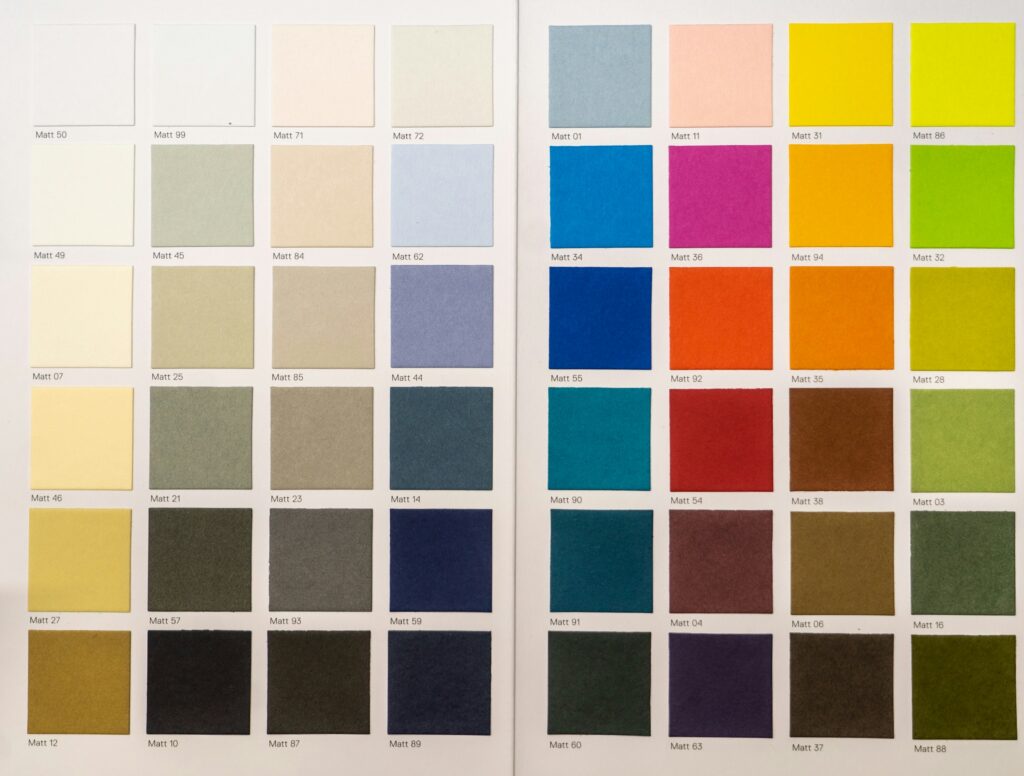
Color can quickly influence how a brand looks and feels, which makes this one of the more exciting parts of creating an identity. Resist choosing colors solely because they’re your personal favorites.
Look at the personality you’ve already defined, the expectations within your industry, accessibility, and how the colors will work together in practical settings. You’ll usually want a primary color, supporting colors, and neutral options for backgrounds and text.
Test the palette on more than a mood board. Put the colors on a sample website header, social graphic, business card, or product label. A combination that looks beautiful as a group of color swatches may work very differently once you start using it — we know this from personal experience!
8. Select Fonts That Fit Your Brand
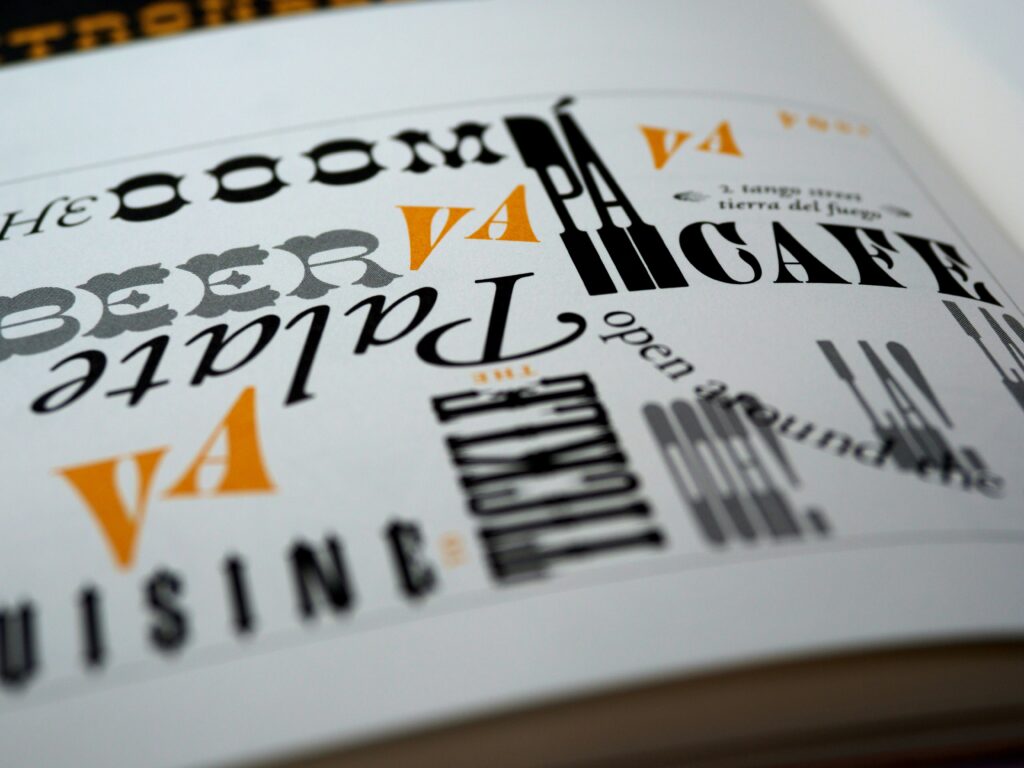
Typography can subtly change the personality of your branding. Some fonts feel traditional or elegant, while others appear modern, casual, bold, or playful.
Keep readability at the center of the decision. Decorative fonts may work beautifully for a logo or occasional heading but become frustrating when they’re used for long paragraphs.
A simple typography system might include one font for headings and another for body copy. Define how each should be used so your website, graphics, emails, and printed materials don’t end up with a different collection of fonts every time.
Related: How to Build a Personal Brand on Linkedin
9. Design a Memorable Logo

Your logo should be recognizable, legible, and practical enough to work in the places your customers will actually see it. That might include a website header, social profile image, storefront sign, product package, invoice, or business card.
Simple often works better than trying to communicate every aspect of the company in one graphic. You may also need several versions, such as a primary logo, simplified logo, symbol, or text based variation. Don’t know how to design a logo yourself? Find an artist to make one for you on Etsy!
Test your logo at different sizes before finalizing it; tiny details that look impressive on a large screen can disappear completely when the logo becomes a small social profile image.
10. Create a Brand Style Guide

Once you’ve made your major branding decisions, document them. A brand style guide gives you one place to reference how the business should look and sound.
Your guide can include:
- Primary and alternate logos
- Approved brand colors and their color codes
- Primary and secondary fonts
- Typography rules
- Photography and imagery guidelines
- Brand personality
- Voice and tone guidelines
- Key messaging
- Examples of correct logo usage
- Examples of branding choices to avoid
A small business doesn’t necessarily need a massive brand manual. Even a concise document can prevent inconsistencies and save time as you create new marketing materials or bring other people into the business. You’ll use this brand style guide to create your business cards and other marketing and promotional materials.
11. Use Your Brand Identity Consistently

Consistency is where all of the earlier work starts paying off. Once you’ve decided how to build a brand identity for small business recognition, use those decisions repeatedly enough for customers to associate them with you.
Update the major places customers encounter your company first. Your website, Google Business Profile, social accounts, email templates, advertisements, packaging, signage, and printed materials should feel connected.
Consistency doesn’t mean every graphic has to look identical. Your content can change with seasons, campaigns, products, and platforms while still using recognizable elements from the same identity. Give customers enough repetition to learn what your business looks and sounds like before you’re tempted to reinvent everything again.
Related: Best Branded Merchandise Ideas to Promote Your Business at Events
How to Build a Brand Identity for Your Small Business From Scratch
Start building your brand before customers start defining it for you. Every website visit, social post, email, package, and customer interaction leaves an impression, whether you’ve intentionally planned that impression or not. Understanding how to build a brand identity for small business owners gives you more control over what people remember and what they associate with your company.
You don’t have to figure out every detail in one afternoon. Start with the foundation, including your audience, purpose, values, personality, and positioning, then use those decisions to guide your visual identity and messaging. A thoughtful brand can make a small business look more established, help customers recognize it across different platforms, and make marketing decisions feel far less scattered.
Most importantly, give your brand room to become recognizable. Once you’ve learned how to build a brand identity for small business growth, consistency matters more than constantly reinventing the look or message. Keep showing up with the same recognizable personality, visuals, and voice, and you’ll give customers something they can remember, return to, and eventually recommend.
Read Next: Custom Stickers for Small Businesses: Creative Ways to Build Your Brand
We hope you love the products we recommend! Just so you know, Talk District may collect a share of sales or other compensation from the links on this page.