
. If you’re wondering how to build business credit without an established company history or years of revenue, there are practical steps you can take right from the beginning. Starting a business comes with countless financial decisions, but building credit probably isn’t at the top of your list when you’re still figuring out how to get everything running. Not surprisingly, establishing a strong business credit history early can make a real difference when you’re ready to apply for financing, negotiate payment terms with suppliers, or expand your operations.
Unlike personal credit, business credit reflects how your company manages its financial obligations and pays its debts. Lenders, suppliers, and other potential business partners may review this information when deciding whether to extend credit or offer financing. Understanding how to build business credit can help you establish your company’s financial reputation while creating opportunities for future growth.
You don’t need to run a large corporation to start working toward better business credit. Whether you’ve recently formed an LLC, launched a small online store, or started offering freelance services, the process begins with getting your business properly established and developing responsible financial habits. In this guide, we’ll explain how to build business credit from scratch, including which accounts to consider, how business credit reporting works, and what you can do to strengthen your company’s credit profile over time.
7 Powerful Steps to Build Business Credit From Scratch
Building business credit starts with establishing your company as a recognizable business, opening accounts that report payment activity, and consistently meeting your financial obligations. Even if your business is brand new, or you don’t have a personal guarantee, you can begin creating a credit history that lenders and suppliers may eventually use to evaluate your company’s financial reliability.
If you’re learning how to build business credit, these seven steps will help you understand where to start, which accounts matter, and how to develop a stronger credit profile over time:
1. Establish Your Business as a Legal Entity
Before applying for business credit, make sure your company is properly registered and operating under a consistent legal name. Many entrepreneurs choose to form a limited liability company (LLC) or corporation because these structures establish a legal distinction between the business and its owners. However, you can still operate as a sole proprietor and potentially establish business credit, depending on the requirements of individual lenders and credit reporting agencies.
The registration process varies by state and business structure. If you’re forming an LLC, you’ll typically need to file formation documents with your state’s business registration agency and pay the applicable filing fee. You may also need local licenses, permits, or a registered business name.
Make sure your company’s legal name, address, and contact information remain consistent across official records, financial accounts, and credit applications.
Related: Business Line of Credit vs Business Loan Facts
2. Get an Employer Identification Number (EIN)

An Employer Identification Number, commonly called an EIN, is a federal tax identification number issued by the Internal Revenue Service (IRS). Businesses use EINs for various tax and administrative purposes, and many banks and financial institutions request one when opening business accounts.
You can apply for an EIN directly through the IRS at no cost. Depending on your business structure and circumstances, you may be required to obtain one, although certain sole proprietors can operate without an EIN.
Having an EIN can make it easier to identify your company when applying for business banking services and credit products. However, an EIN just by itself won’t establish business credit or eliminate the possibility of a lender reviewing your personal credit history. You can simply visit the IRS website to review eligibility requirements and apply for your EIN.
Related: What Is Cash Flow? + How to Improve It This Year
3. Open a Dedicated Business Bank Account

Keeping your business finances separate from your personal expenses is one of the smartest financial habits you can establish early. A dedicated business checking account makes it easier to track revenue, pay operating expenses, organize financial records, and understand how much money your company actually has available.
When choosing a bank, compare monthly maintenance fees, minimum balance requirements, transaction limits, and available business services. Some institutions also offer business savings accounts, credit cards, and financing options that may become useful as your company grows.
Although opening a business bank account doesn’t automatically create a business credit history, it can help you maintain the financial documentation lenders may request when reviewing future applications. Accurate banking records also make bookkeeping and tax preparation more manageable.
4. Establish a Business Credit Profile With Commercial Credit Bureaus
Business credit reporting agencies collect information about companies and their financial obligations. Three major commercial credit bureaus in the United States are Dun & Bradstreet, Experian Business, and Equifax Business.
Each agency maintains its own records and may use different information to evaluate business creditworthiness. For example, Dun & Bradstreet offers a PAYDEX score that focuses on payment performance, while Experian Business uses additional factors when calculating certain business credit scores.
You can start by checking whether your company already has a business credit profile. Dun & Bradstreet allows eligible businesses to request a DUNS Number, a unique identifier used to identify companies within its database. Obtaining one is free through its official registration process.
Keep in mind that registering with a credit bureau or receiving a DUNS Number doesn’t automatically generate a credit score! Your company generally needs qualifying information, such as reported payment experiences, before certain scores can be calculated.
Related: How to Read a Profit and Loss Statement
5. Apply for Vendor Accounts That Report Payment Activity
Vendor credit accounts can provide an opportunity to establish business credit while purchasing products or supplies your company already needs. Some suppliers offer payment terms that allow businesses to receive goods or services immediately and pay the invoice at a later date.
For example, a vendor offering Net 30 terms generally requires payment within 30 days of the invoice date. If the supplier reports payment experiences to a commercial credit bureau, your company’s payment behavior may become part of its business credit history.
However, not every vendor reports to business credit agencies, and reporting practices can change. Before opening an account, ask which bureaus receive payment information, whether the account requires a personal guarantee, and what eligibility requirements apply.
Choose suppliers that offer products or services your business actually uses. Purchasing unnecessary inventory or paying additional fees simply to establish credit can create expenses without delivering much value.
Once an account is active, pay every invoice according to its terms. Timely payments can help demonstrate reliability when the vendor reports them, while late payments may negatively affect your company’s credit profile.
Related: How to Start Investing as Self Employed: A Step by Step Guide
6. Consider a Business Credit Card
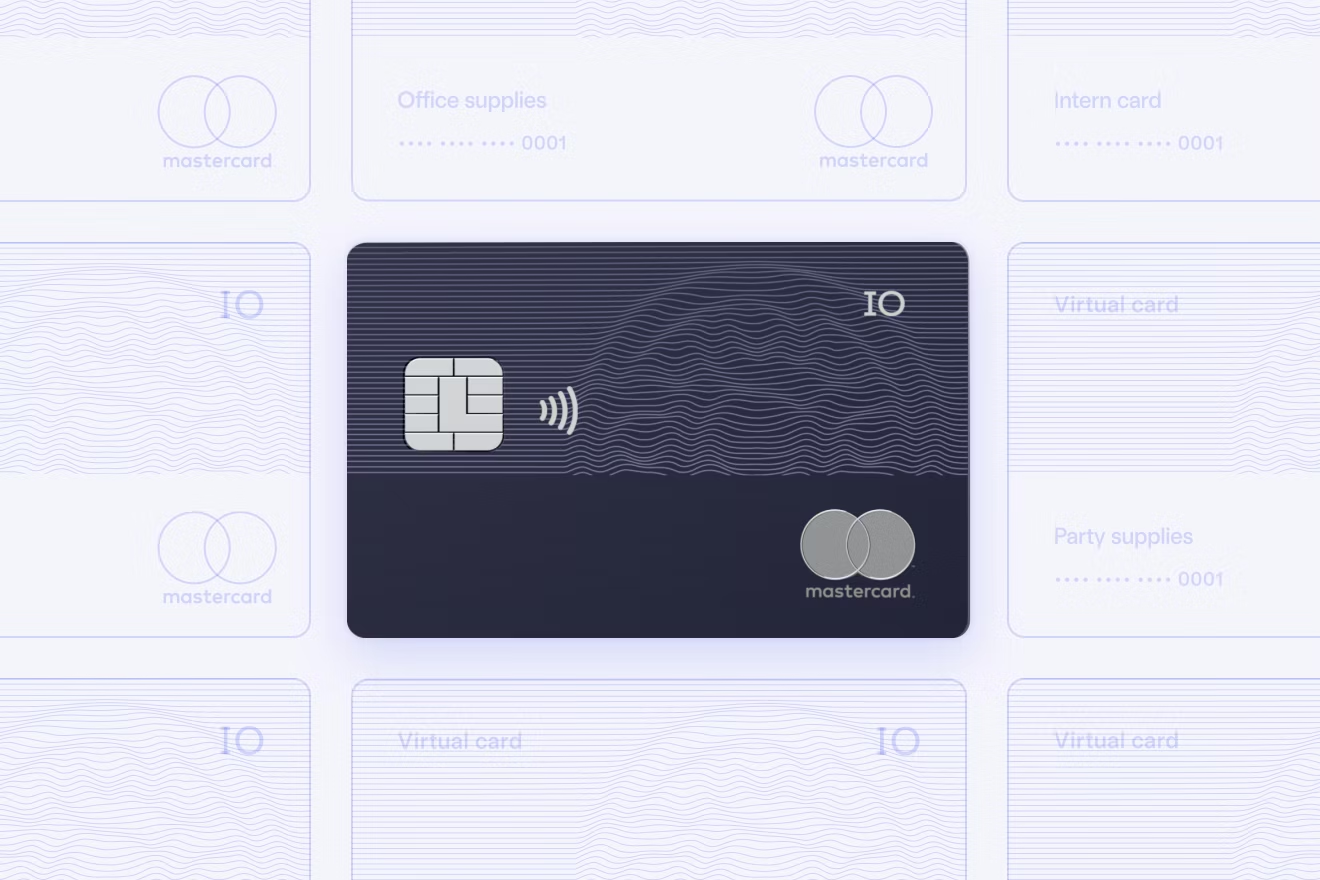
A business credit card can help you manage operating expenses, track purchases, and potentially establish additional business credit history. Depending on the issuer, you may also receive rewards, expense management tools, or introductory financing offers.
If your company is relatively new, you might need to apply using your personal credit information. Many business credit cards require a personal guarantee, which means you may remain personally responsible for the debt if your business doesn’t pay.
Before applying, compare annual fees, interest rates, credit limits, reporting policies, and qualification requirements. Some issuers report business account activity to commercial credit bureaus, while others have different reporting practices. Confirm how the specific card you’re considering handles business and personal credit reporting.
Once approved, use the card for expenses your company can comfortably afford and pay the balance according to the agreement. Keeping balances manageable can reduce interest expenses and help prevent debt from becoming a financial burden.
If you’re still building revenue, consider whether a card is necessary for your current operations. There’s no reason to take on additional borrowing simply to accelerate the credit building process.
7. Monitor Your Business Credit Reports and Maintain Responsible Payment Habits

Once you’ve established accounts that report payment information, make a habit of reviewing your business credit reports. Monitoring your company’s records can help you identify inaccurate information, track reported accounts, and understand how different credit bureaus evaluate your business.
Check that your company’s legal name, address, industry classification, and other identifying details are correct. If you notice an unfamiliar account or inaccurate payment information, contact the relevant credit bureau to learn how to dispute the issue.
You should also review your company’s outstanding obligations regularly. Paying suppliers and lenders on time, managing debt carefully, and maintaining accurate financial records can support a healthier financial profile.
Business credit scores don’t necessarily improve on a predictable schedule. Reporting frequency, the number of accounts, payment history, and each bureau’s scoring methodology can influence when changes appear.
As your company develops a longer financial history, continue reviewing your credit information before applying for major financing. Strong business credit may improve your financing options, but lenders can also consider revenue, cash flow, time in business, collateral, and personal credit when making approval decisions.
Related: How to Separate Personal and Business Finances (And Why It Matters)
Build Business Credit Today

Establishing business credit takes time, but the decisions you make today can influence your company’s financial opportunities in the future. From setting up your business information correctly to opening accounts that report payment activity, each step can contribute to a more established financial profile. If you need assistance figuring out how to secure a business line of credit without having any revenue, we have some tips.
As your company grows, maintaining a positive payment history, monitoring your business credit reports, and managing outstanding balances responsibly can help demonstrate financial reliability. Keep in mind that different business credit bureaus use their own scoring methods, and not every lender or vendor reports account activity. Understanding these differences will help you make informed decisions rather than assuming every business purchase contributes to your credit history.
Now that you know how to build business credit, take a few minutes to review where your company currently stands, confirm that your business information is accurate, research accounts that report to commercial credit bureaus, and identify the next step that makes sense for your budget. The sooner you establish responsible credit practices, the better prepared your business may be when new financing and growth opportunities come your way!
Read Next: Best Accounting Software for Freelancers and Self-Employed Workers
We hope you love the products we recommend! Just so you know, Talk District may collect a share of sales or other compensation from the links on this page.