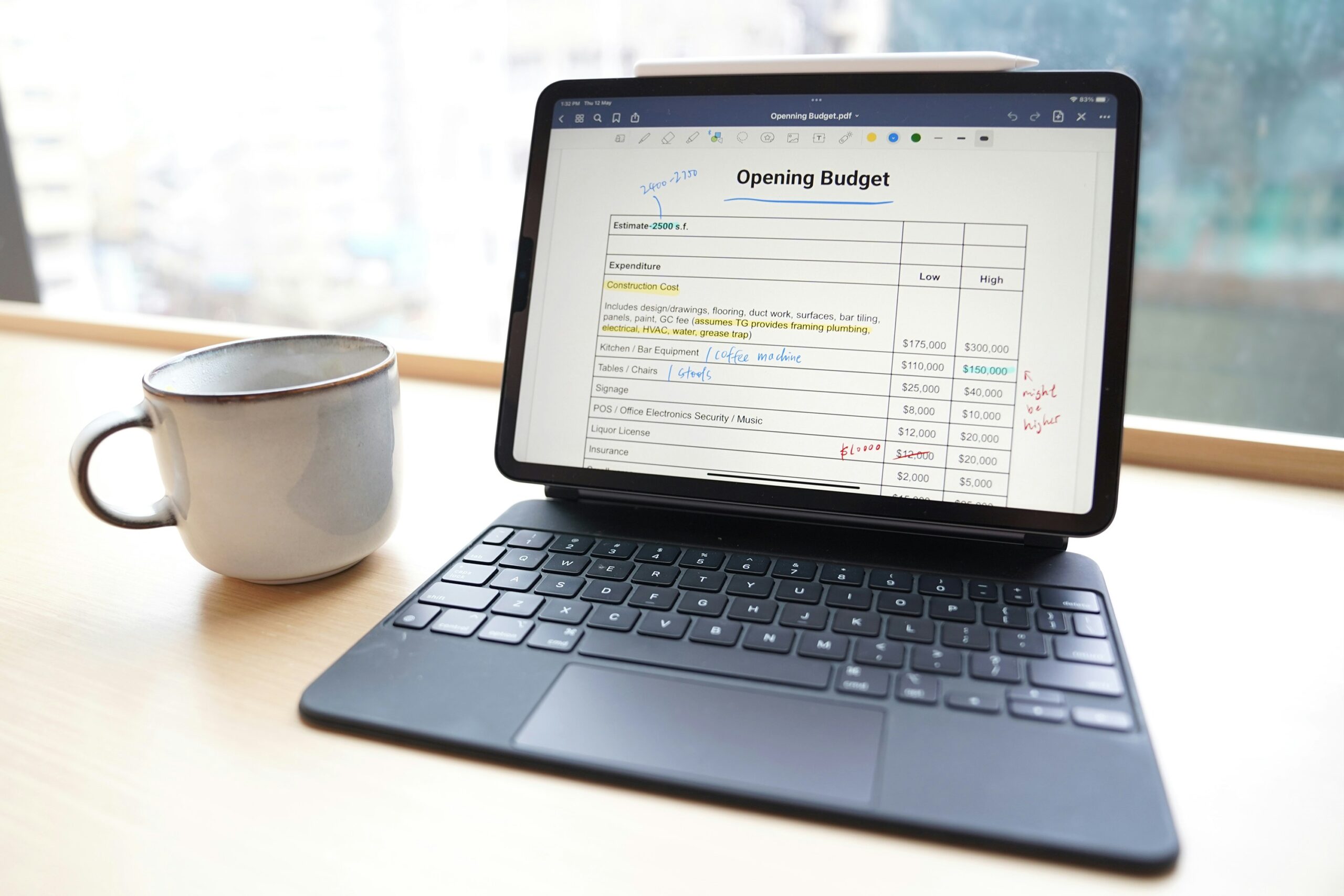
If you are looking for a more intentional way to manage your money, zero-based budgeting might be the solution. With zero-based budgeting, every dollar of income is assigned a specific job, from savings and debt payments to groceries and entertainment. This approach ensures that you know exactly where your money is going each month, helping you avoid unnecessary spending and build better financial habits. Unlike traditional budgeting methods when using budgeting apps that rely on estimates, zero-based budgeting gives you full control and clarity over your finances.
Zero-based budgeting is especially helpful for those living paycheck to paycheck, if you’re in debt and trying to manage it, or trying to achieve financial goals faster. It encourages accountability and helps identify spending leaks that may otherwise go unnoticed. Whether you are trying to pay off debt, save for a big purchase, or simply gain more peace of mind, zero-based budgeting offers a solid framework for reaching your goals. Once you adopt this method, your budget becomes less about limits and more about purpose.
What Is Zero-Based Budgeting and How Does It Work?
Zero-based budgeting is a financial strategy where your income minus your expenses equals zero by the end of each month. The idea is that every single dollar you earn is given a purpose, whether it is going toward bills, savings, debt payments, or discretionary spending. Nothing is left unassigned, which ensures that all your money is being used intentionally. This method forces you to plan your spending in advance rather than just tracking it after the fact.
Each new month begins with a clean slate, allowing you to adapt your budget to current financial needs and goals. If your expenses change from one month to the next, your budget adjusts accordingly.
By doing this, zero-based budgeting helps reduce waste and improve financial awareness. It is a proactive approach to money management that empowers individuals and families to live within their means and make smarter financial decisions.
Zero-Based Budgeting vs Traditional Budgeting

While both zero-based budgeting and traditional budgeting aim to manage money effectively, they approach spending in very different ways. Understanding these differences can help you decide which method is best suited for your lifestyle.
Zero-Based Budgeting
- Starts from scratch each month
- Assigns every dollar a specific role
- Encourages intentional spending and financial discipline
- Adjusts monthly based on current needs and income
- Reduces waste by tracking every expense
Traditional Budgeting
- Uses last month’s expenses as a baseline
- Often includes vague or estimated spending categories
- May lead to overspending in flexible categories
- Less adaptable to changing financial situations
- Can encourage a “set it and forget it” mindset
With zero-based budgeting, you are actively involved in decision-making every month. Traditional budgeting, while simpler for some, can become passive and less aligned with real-time financial goals. If you want complete control and a method that evolves with your life, zero-based budgeting offers a more personalized and purposeful structure.
5 Benefits of Using Zero-Based Budgeting
Implementing zero-based budgeting can have a major impact on your financial health. Below are some of the top advantages that make this method a favorite among money-conscious individuals.
1. Better Money Awareness

Zero-based budgeting forces you to look at every expense and decide whether it is worth your money. This builds awareness of your financial habits and helps you pinpoint areas where you might be overspending.
2. Encourages Accountability
Because you are giving every dollar a job, you are naturally more accountable to yourself and your goals. Whether you are saving for a trip or paying off a credit card, your budget reflects your priorities.
3. Promotes Smart Spending

Rather than assuming expenses are fixed, zero-based budgeting encourages you to reevaluate what you really need. This can help you break out of financial autopilot and redirect money toward more meaningful goals.
4. Flexible and Customizable
Zero-based budgeting is not a one-size-fits-all method. It can be adjusted monthly based on life changes, income fluctuations, or unexpected expenses, making it ideal for people with variable income or evolving priorities.
5. Improves Savings and Debt Repayment

When every dollar is accounted for, there is less room for mindless spending. This frees up more money for building an emergency fund, investing, or aggressively paying off debt.
How to Create a Zero-Based Budget Step-by-Step

Creating a zero-based budget is simpler than you might think. The goal is to make sure that your income minus your expenses equals zero, meaning every dollar is assigned a specific role. Follow these steps to build your own budget and take control of your money.
- Calculate Your Total Income – Start by adding up all sources of income you expect to receive for the upcoming month. This can include paychecks, side hustle earnings, freelance payments, or passive income.
- List Your Fixed Expenses – Write down all fixed costs such as rent or mortgage, car payments, insurance, and subscriptions. These are non-negotiables that you’ll pay the same amount for each month.
- Estimate Your Variable Expenses – Next, estimate what you’ll spend on things like groceries, gas, entertainment, and dining out. Review past months if you need help coming up with accurate numbers.
- Assign Every Dollar a Purpose – Once you know your income and expenses, start assigning every dollar to a category. Anything left over should be directed toward savings, debt repayment, or investments.
- Track Spending Throughout the Month – It’s not enough to make the plan — you need to stick to it. Use an app or spreadsheet to monitor your spending and adjust as needed.
- Rebalance for the Next Month – Life changes fast, so your budget should too. At the end of each month, assess what worked and what didn’t, and adjust your budget for the next cycle.
With time and consistency, zero-based budgeting becomes second nature. It’s a flexible but powerful way to be fully intentional with your money.
Best Apps and Tools for Zero-Based Budgeting
Technology can make managing your money easier, especially when you’re sticking to a zero-based budgeting system. The right tools help automate tracking, simplify calculations, and keep your spending in check. Here are some standout platforms that work well with this approach.
Mercury Bank
Perfect for freelancers, startups, and small business owners, Mercury Bank offers digital banking features that align well with zero-based budgeting. You can create multiple “account buckets” to simulate envelope budgeting, track income and expenses in real time, and move funds strategically. It’s a great way to keep your business and personal budgets organized and optimized.
Cash App
For everyday users looking for simplicity, Cash App offers an intuitive interface for sending, receiving, and categorizing money. With customizable notes and instant transaction records, it becomes easier to log and track spending. You can also set aside money for savings goals within the app, giving each dollar a specific role in your budget.
Zero-Based Budgeting = A Fresh Way to Take Control of Your Finances
In a world where financial stress is common, zero-based budgeting offers a refreshing way to take back control. This method can empower you to prioritize what truly matters, whether that is building an emergency fund or funding your future dreams. By assigning every dollar a purpose, zero-based budgeting helps reduce waste and maximize the impact of your income. With practice and consistency, it can become a valuable tool in your long-term financial plan.
Zero-based budgeting does not require perfection, just commitment and regular review. It is a flexible method that can adapt to life changes, unexpected expenses, and evolving goals. As you fine-tune your budget each month, you will likely find more confidence in your financial decisions. If you are ready to break free from money anxiety, zero-based budgeting is a smart place to start.
We hope you love the products we recommend! Just so you know, Talk District may collect a share of sales or other compensation from the links on this page.