When it comes to growth and success, having the right technology solutions for small businesses is essential. Not only for streamlining your operations but also for staying competitive in such a digitally-focused world. But as a small business, it can be confusing to know which tools are necessary and which ones are just nice to have. After all, technology services aren’t cheap, and investing in the wrong ones can lead to unnecessary expenses.
With so many tools out there, it’s important to focus on ones that contribute to company efficiency, security, and growth. In this article, we’ll be sharing 11 of the most important technology solutions for small businesses. That way, you’ll have a better understanding of which services are essential and right for your specific needs.
11 Technology Solutions for Small Businesses
1. Router
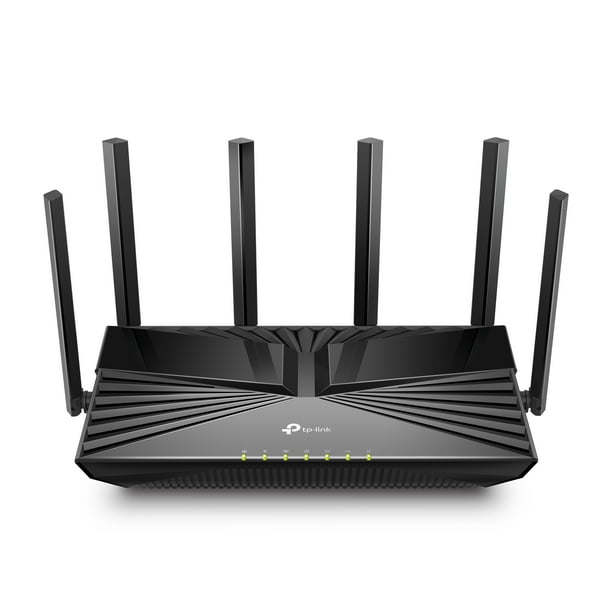
You’ll need a strong and consistent wifi connection to maintain your online networking connections. Whether you plan on attending Zoom networking events or need to send files to your new business associates, the TP-Link 6-Stream Dual-Band WiFi 6 Wi-Fi Router from Walmart Business offers you a high-speed and reliable connection. You can even connect it to multiple devices, keeping you connected regardless of whether you’re at your desk!
2. Website Builder
Your website is the first point of contact for many clients. Therefore, it’s crucial you build a site that’s not only reliable but also attractive and easy to use. Squarespace is a user-friendly website builder that allows you to set up your site or e-commerce shop. There’s absolutely no coding required. You can choose from a variety of pre-built website templates that can be customized with drag-and-drop functionality. From images and brand coloring to in-depth marketing and e-commerce integration, it’s easy to build a professional site from scratch.
While building your website, it’s also important to consider tools that help with data privacy and compliance. Cookiebot by Usercentrics automatically manages cookie consent, ensuring your site meets global privacy laws without disrupting user experience—an essential step for maintaining customer trust.
3. Hosting Platform
When it comes to website reliability and uptime, you’ll want to invest in a hosting platform. This is crucial for any business, especially ones that are looking to scale over time. Companies like WP Engine will ensure your site is fast, secure, and always available to customers. On top of that, they offer top-of-the-line security (like encryption, malware monitoring, and secure data handling) so you can protect your business.
Selecting a reliable hosting platform is crucial for small businesses aiming to establish a strong online presence. Managed hosting solutions like Liquid Web + Nexcess can offer enhanced performance, security, and support, allowing business owners to focus on growth without technical concerns.
4. Project Management Tool
Any business understands how important staying organized is for success. But as your company grows, it can become increasingly more difficult to keep track of everything on your plate. This is especially true if you have multiple orgs and teams within your company. That’s why a project management tool like Asana is a must for scaling. It can help you (and all your employees) with deadlines and to-dos to ensure productivity is at its maximum. Asana can also provide in-depth reporting and analytics to shed light on team performance.
5. Communication Service

Effective communication is the key to keeping your business running as smoothly and efficiently as possible. If you have more than one employee, an internal communication service will help everyone stay connected. Look for a messaging platform (like Slack), which is great for project collaboration and file sharing. A video conferencing tool (like Teams) can also be useful for team discussions and meetings. That way, you can keep tabs on everyone’s progress regardless of if they’re in the office or working from home.
6. Cloud Storage
Speaking of working from home, cloud storage is necessary if people need to access their work outside the office. Cloud storage is also important for file sharing, especially if you’re dealing with large documents with lots of data. That’s because it reduces the need for physical devices, which can be at risk for data corruption. When choosing a platform, make sure there is secure data backup and version control, so there’s no risk of losing important documents.
7. Customer Support
Having the ability for clients to reach you is one of the most important factors in running a successful business. As such, you’ll need a responsive and efficient customer support system to handle their questions, concerns, and issues. This can be a number of different platforms, although the most common include live chat, email, and phone support.
8. Accounting Software
In order to manage your invoicing, payroll, and expenses, make sure you’re set up with some sort of accounting software. Even if you have an accounting team, the right software will reduce errors and save time by streamlining tasks and forms. It can also give you valuable insights into how your company is doing financially (ie: what is your cash flow?), which is important for any business owner or decision-maker.
9. HR Software
As your company grows, you’ll likely need to hire more employees. But keeping track of their records, payroll, benefits, and performance can be a nightmare to do manually. That’s why you’ll need an HR tool. Some tools can even help with recruitment by posting jobs and keeping track of your applicants and new onboards. For more information about hiring, here’s a guide on the best hiring platforms for small businesses.
10. Customer Relationship Management
As your client list grows, so does your need for a customer relationship management (CRM) system. This tool is your go-to resource for keeping track of customer interactions. Whether you’re handling outreach and new leads to upselling existing customers, a CRM is important for keeping all that data in one place. It’s one of those must-have technology solutions for small businesses and their sales teams.
11. Business Hardware

To keep operations running smoothly, it’s important your technology solutions for small businesses also includes hardware. This is anything from a business phone line to a check-out Point of Sale system. Your company should also consider networking equipment (like a router for stable Wifi) and external storage.
Investing in the right tools and services is important for any company. But it’s crucial that you choose technology solutions for small businesses that will directly impact your future. That way, you can stay competitive in today’s landscape and build a solid foundation for growth and success! But what other things should small business owners be aware of when planning their future? Here are 7 essential financial reports that you might need for tax season.
We hope you love the products we recommend! Just so you know, Talk District may collect a share of sales or other compensation from the links on this page.