When the colder months roll in, offices face new challenges that can impact both safety and productivity. Having a reliable winter office safety checklist ensures your team stays protected while your operations run smoothly. From icy walkways to heating system checks, the right precautions reduce risks before they become costly problems.
A thorough winter office safety checklist doesn’t just prevent slips, trips, and other seasonal hazards. It also promotes a culture of care where employees feel supported and valued. By preparing in advance, you’ll avoid disruptions and keep everyone focused on the work that matters most.
Winter weather brings unique safety challenges to the workplace, from slippery entryways to cold and flu season. Walmart Business makes it easy for small businesses to stock up on essentials like ice melt, floor mats, and even first aid kits, all at budget-friendly prices and available in bulk. With fast, convenient ordering and delivery, Walmart Business helps you create a safer, healthier environment for your team all winter long.
If you’re not sure where to start, this winter office safety checklist covers everything from indoor air quality to emergency planning. With these strategies in place, your workplace can stay safe, warm, and productive all season long.
10 Essential Steps for a Safer Workplace: Your Ultimate Winter Office Safety Checklist
1. Clear Walkways and Parking Lots Promptly

Snow and ice buildup outside the office is one of the leading causes of slips and falls during the winter months. Your winter office safety checklist should include a plan for regular snow removal and salting of sidewalks, entryways, and parking areas. Assign a reliable contractor or in-house team to handle this before employees arrive in the morning. Even a small patch of black ice can cause a serious accident, so consistency is key. By staying on top of clearing walkways, you’ll protect employees, clients, and visitors alike.
2. Inspect and Maintain Heating Systems
A properly functioning heating system isn’t just about comfort, it’s a crucial part of winter safety. The winter office safety checklist should include scheduling professional inspections of your HVAC units, space heaters, and boilers. This ensures systems are operating efficiently and reduces the risk of carbon monoxide leaks or unexpected breakdowns. Don’t forget to replace filters regularly to maintain clean airflow. A warm and well-ventilated office helps keep employees healthy and focused throughout the season.
3. Monitor Indoor Air Quality
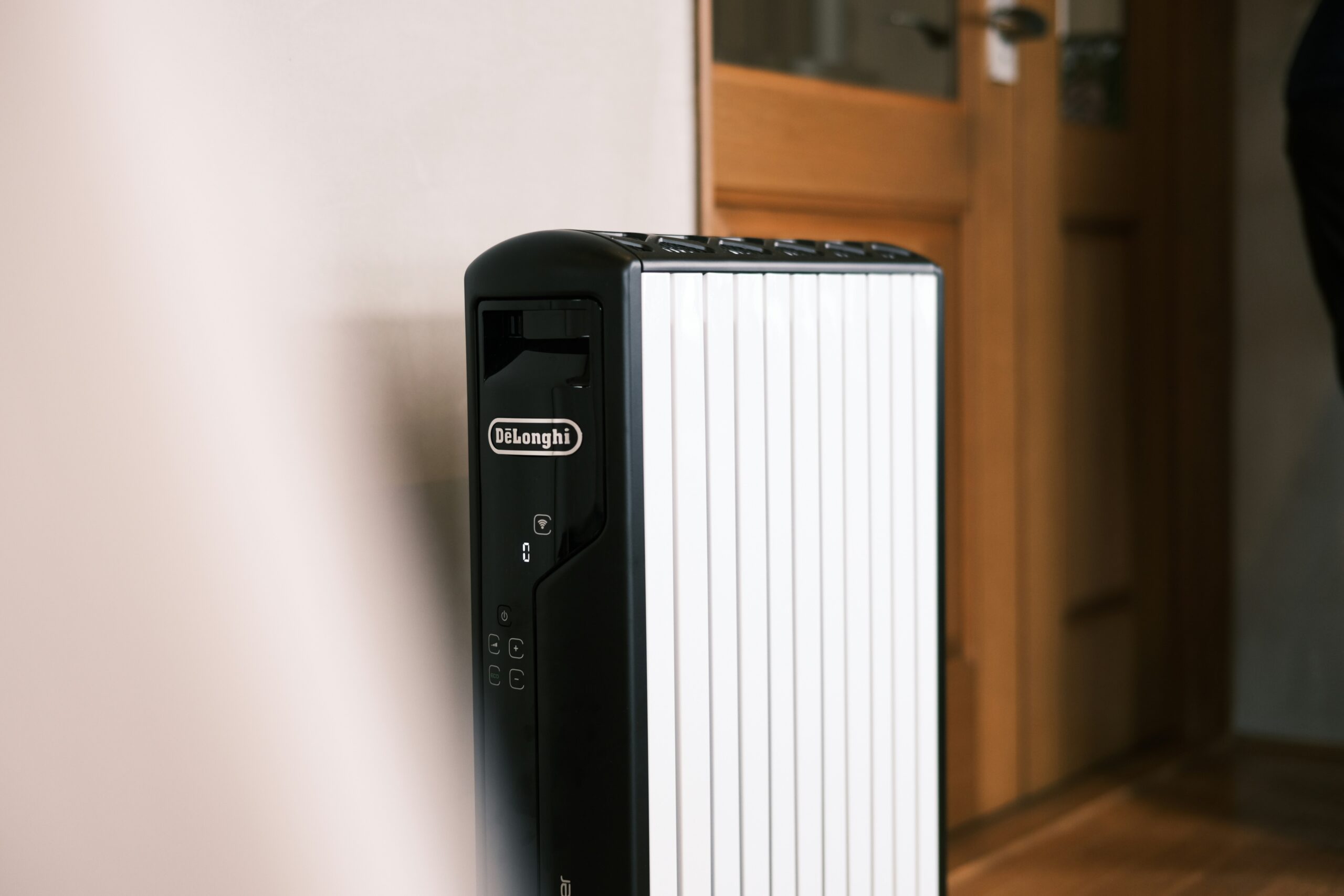
Winter often means sealed windows and reduced ventilation, which can lead to poor indoor air quality. Your winter office safety checklist should account for adding air purifiers, monitoring humidity, and ensuring proper airflow. Dry air can cause irritation and even spread seasonal illnesses faster. Maintaining balanced humidity levels also helps preserve office equipment and furniture. A healthy environment keeps your team feeling energized and prevents long-term issues with indoor comfort.
4. Prepare for Power Outages
Storms, ice, and heavy snowfall often increase the risk of power outages. That’s why your winter office safety checklist should include having backup power sources like generators or uninterruptible power supplies (UPS) for critical systems. Make sure employees know the procedure to follow if the power goes out, including how to safely exit or stay in the building if necessary. Keep flashlights and extra batteries in accessible locations. Preparing for outages prevents panic and ensures business continuity.
5. Stock Emergency Supplies

An essential part of any winter office safety checklist is having a well-stocked emergency kit. This should include first aid supplies, blankets, bottled water, flashlights, and non-perishable snacks. Depending on your location, you may also want to keep extra coats, gloves, and ice melt on hand. These items provide peace of mind and practical support if employees are ever stuck at the office during a storm. Taking the time to prepare shows your team that their safety is a top priority.
6. Encourage Safe Commuting Practices
Employees often face the greatest risks before they even get to the office. Add reminders about safe commuting practices to your winter office safety checklist, such as driving slowly, wearing proper footwear, and allowing extra travel time. You can also offer flexible start times or remote work options when weather conditions are severe. By supporting your team’s commute, you help reduce stress and prevent accidents. A little flexibility can go a long way in ensuring safety during winter storms.
7. Prevent Slip Hazards Indoors
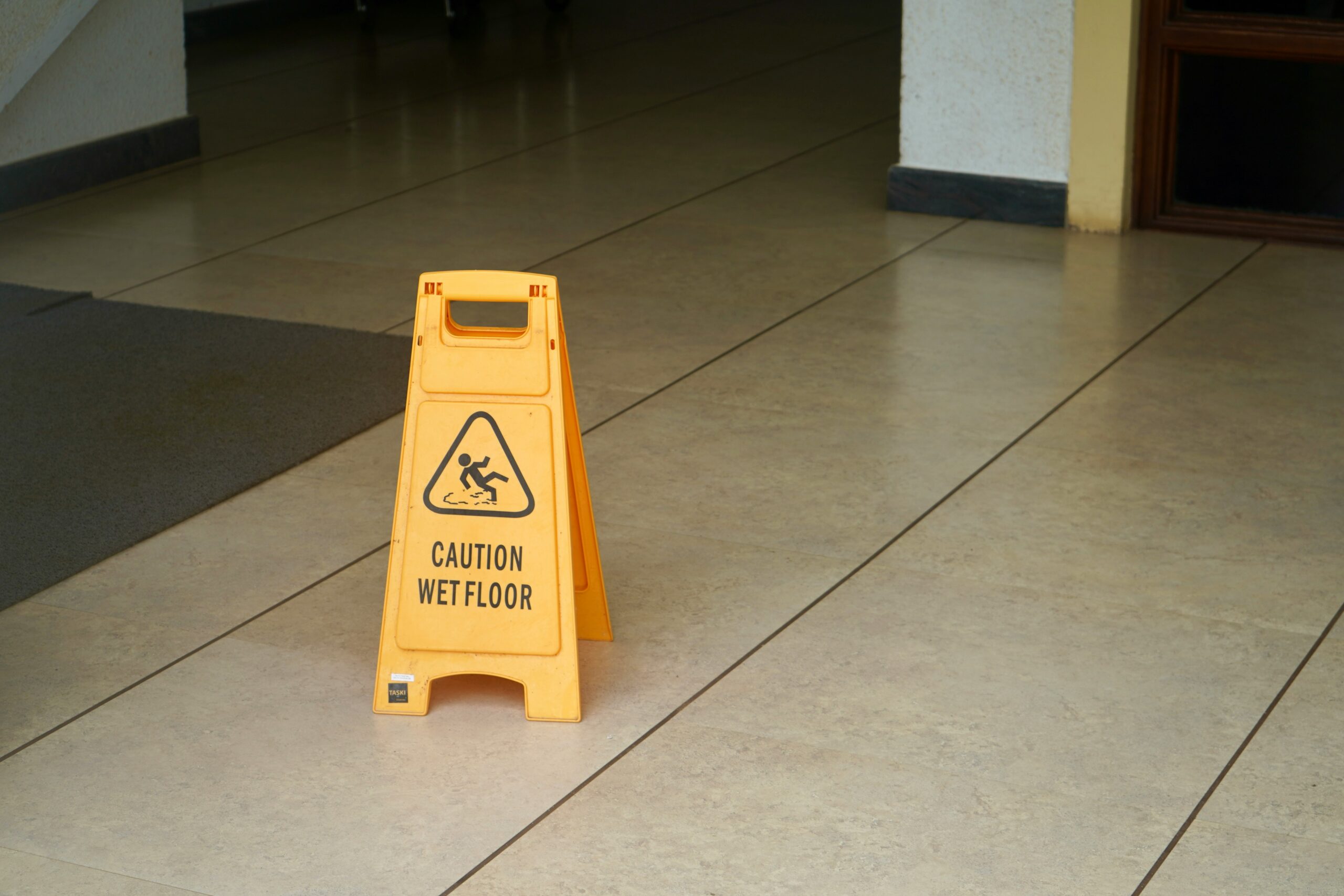
Even after clearing outdoor areas, melted snow and slush can be tracked inside and create slippery floors. Your winter office safety checklist should include the placement of high-quality floor mats at all entrances. Regularly mop up wet areas and consider adding signage to alert employees to potential hazards. Encourage everyone to wear footwear that provides traction in snowy conditions. Staying proactive indoors helps prevent accidents and keeps the office safe from the front door to every hallway.
8. Review Fire Safety Protocols
With space heaters, holiday decorations, and extra electrical usage, fire risks can increase during winter. That’s why fire safety should always be part of your winter office safety checklist. Check that smoke detectors and fire extinguishers are in working order, and remind employees of evacuation routes. Limit the use of extension cords and ensure decorations are flame-resistant. A few quick safety checks can significantly lower the risk of fire-related incidents.
9. Communicate Safety Plans Clearly
A winter office safety checklist isn’t useful if employees don’t know what’s included. Regularly communicate your safety policies through email, meetings, or posted notices around the office. Make sure everyone knows who to contact in an emergency and where safety equipment is located. Encourage open communication so employees feel comfortable reporting hazards. The more informed your team is, the safer your workplace will be.
10. Schedule Regular Safety Audits
Finally, don’t let your winter office safety checklist be a one-time task. Schedule regular safety audits throughout the season to identify risks before they become accidents. Walk through the office and outdoor areas with safety in mind, taking note of improvements that need to be made. Involve employees in the process so they feel ownership over the safety culture. Ongoing audits ensure your checklist remains effective and adaptable to changing winter conditions.
Keeping Your Team Safe All Winter Long

By using a winter office safety checklist, you’re not just reducing risks — you’re showing your team that their wellbeing is a top priority. Simple steps like salting walkways, inspecting heating systems, and preparing for emergencies can make all the difference in preventing costly incidents.
A winter office safety checklist also empowers your employees to play an active role in maintaining a safe environment during the cold weather months. When everyone understands the plan and contributes to it, your workplace becomes a stronger, safer, and more supportive space. With these strategies in place, you can protect your team, safeguard your operations, and get through the cold season with confidence. P.S.: Don’t forget to create a separate checklist for preparing the office for holiday break!
We hope you love the products we recommend! Just so you know, Talk District may collect a share of sales or other compensation from the links on this page.