Winter can drain more than just motivation, it can drain your budget too, which is why cutting energy costs needs to become a top priority for every small business. Utility bills rise fast when temperatures drop, and without a strategic approach, those seasonal expenses can overwhelm even a well-planned budget. Cutting energy costs isn’t just about saving money in the moment, it’s about creating long term habits that protect your bottom line year after year.
Winter utility bills can hit fast and hard, which is why smart spending matters just as much as smart energy use. Walmart Business makes it incredibly easy for companies to stock up on energy-saving essentials without blowing their budget. From LED lighting to programmable thermostats to everyday efficiency tools, you can find cost-cutting solutions in one place and get them delivered right to your door. If you want to lower overhead, stay warm, and keep your operations running smoothly, now’s the time to shop smarter and switch to Walmart Business before those peak winter costs creep in. Looking for deals on energy-saving products? Check these out!
Many business owners assume energy waste just comes with the territory, but that’s rarely true. With the right systems and smart upgrades, cutting energy costs is easier, faster, and more sustainable than most people realize. Even small shifts in behavior and technology can lead to noticeable savings when colder weather hits.
By focusing on efficiency instead of reaction, you take back control of your operating expenses before they spiral. Searching for ways to save on energy costs should be a part of your yearly winter maintenance safety checklist, too. Cutting energy costs doesn’t require a huge renovation or expensive overhaul, it only requires smart planning, strategic tools, and consistency. This winter can be the one where you lower energy consumption, boost profit margins, and create a more efficient workplace that benefits everyone.
What’s Driving Winter Energy Spikes for Small Businesses?

Winter naturally increases energy demand, but most business owners underestimate just how much heating systems, lighting, and extended operating hours contribute to rising costs. Even a few degrees of temperature change can dramatically increase usage, which is why cutting energy costs requires more than quick fixes. Cold weather also exposes inefficiencies like poor insulation, outdated thermostats, and unregulated equipment schedules that remain hidden the rest of the year.
Another factor driving higher bills is behavioral, not mechanical. Employees tend to use more heat, space heaters, and lighting during darker months, often without realizing the financial impact. Cutting energy costs starts with understanding these hidden patterns so you can make targeted adjustments instead of reacting after the bills arrive. The more you identify what’s behind the spike, the easier it becomes to implement changes that save real money.
6 Smart Strategies for Cutting Energy Costs for Small Businesses
1. Upgrade to High Efficiency Lighting and Smart Controls
One of the easiest ways to start cutting energy costs is by replacing outdated lighting with modern LED solutions and daylight sensors. These upgrades use significantly less energy while delivering better visibility and longer lifespan. Smart controls also allow you to automate light usage so energy isn’t wasted in empty spaces. Making this switch pays off quickly because lighting typically accounts for a large portion of commercial energy waste. Retailers and office spaces often see immediate changes after installation. Walmart Business offers affordable bulk lighting and timer options that can make this upgrade far more budget friendly for small teams.
2. Optimize Heating Systems Before Peak Usage Starts

Heating eats up a huge portion of winter expenses, so preventative maintenance is essential when cutting energy costs. Schedule inspections early so your system, an essential tool for winter operations for your small business, runs efficiently and doesn’t work harder than it needs to. Even simple tweaks like replacing filters, sealing duct leaks, and calibrating thermostats can make a noticeable financial difference. It’s also smart to set temperature zones so unused areas aren’t heated unnecessarily. The Home Depot carries programmable thermostats and HVAC supplies that make energy management much easier for business owners.
3. Improve Insulation and Reduce Drafts in Key Areas
Sometimes the biggest energy losses come from the smallest gaps. Door seals, window cracks, and poor insulation allow warm air to escape and cold air to creep in, forcing your heating system to work harder. Cutting energy costs with insulation upgrades is one of the highest return investments your business can make. Weatherstripping, caulking, draft stoppers, and insulation panels are all inexpensive ways to lock in heat. When your building holds warmth more effectively, you naturally reduce long term energy waste.
4. Use Smart Power Management for Equipment and Devices

Many companies forget that computers, printers, POS systems, and appliances eat power even when they’re not actively being used. Power strips with auto shut-offs help reduce phantom energy loss and are especially helpful in offices or retail environments. Cutting energy costs doesn’t just happen during business hours, it requires overnight and weekend habits too. By setting devices to sleep automatically and unplugging nonessential equipment, you’ll preserve energy without extra effort. Affordable smart plugs and business-friendly power solutions help keep consumption under control.
5. Encourage Employee Participation and Energy Awareness

Your team plays a major role in cutting energy costs, whether they realize it or not. When employees are aware of energy-saving habits, usage drops across the board. Create guidelines for turning off lights, unplugging chargers, managing thermostat settings, and reporting temperature issues. A workplace that treats energy efficiency like a shared responsibility saves significantly more money than one that relies on management alone. Once people understand the impact, behavior shifts quickly and permanently.
6. Plan Equipment and Maintenance Purchases Seasonally
Winter is the ideal time to reassess outdated equipment and make upgrades that improve overall efficiency. Instead of waiting for something to break, replace items proactively so you aren’t forced into last-minute, high-cost decisions. This helps eliminate emergency repairs and gives you time to research energy-efficient alternatives.
Planning purchases around seasonal needs also allows you to take advantage of major retailer promotions. Target often features winter price drops and business-focused savings on small appliances, heaters, and energy-efficient office essentials.
The True Cost of Not Cutting Energy Costs in Winter
Failing to focus on cutting energy costs doesn’t just lead to higher bills, it also affects your long-term profitability. Unmanaged winter consumption can strain your budget for months, forcing you to redirect funds away from growth, payroll, or seasonal marketing. When energy waste becomes normal, revenue slowly drains without anyone noticing until it’s too late.
Here’s what that financial fallout can look like when cutting energy costs isn’t prioritized:
• You pay peak-season rates without any efficiency offsets
• Heating and lighting systems age faster due to overuse
• Your business becomes more vulnerable to rate hikes and emergencies
• Profit margins shrink because expenses rise while output stays the same
• Long term planning gets harder when costs are unpredictable
That’s why cutting energy costs is more than a winter strategy. It’s a year-round commitment to financial stability. The businesses that tackle the issue early are the ones who avoid crisis and protect cash flow season after season.
Cutting Energy Costs to Save Money this Winter
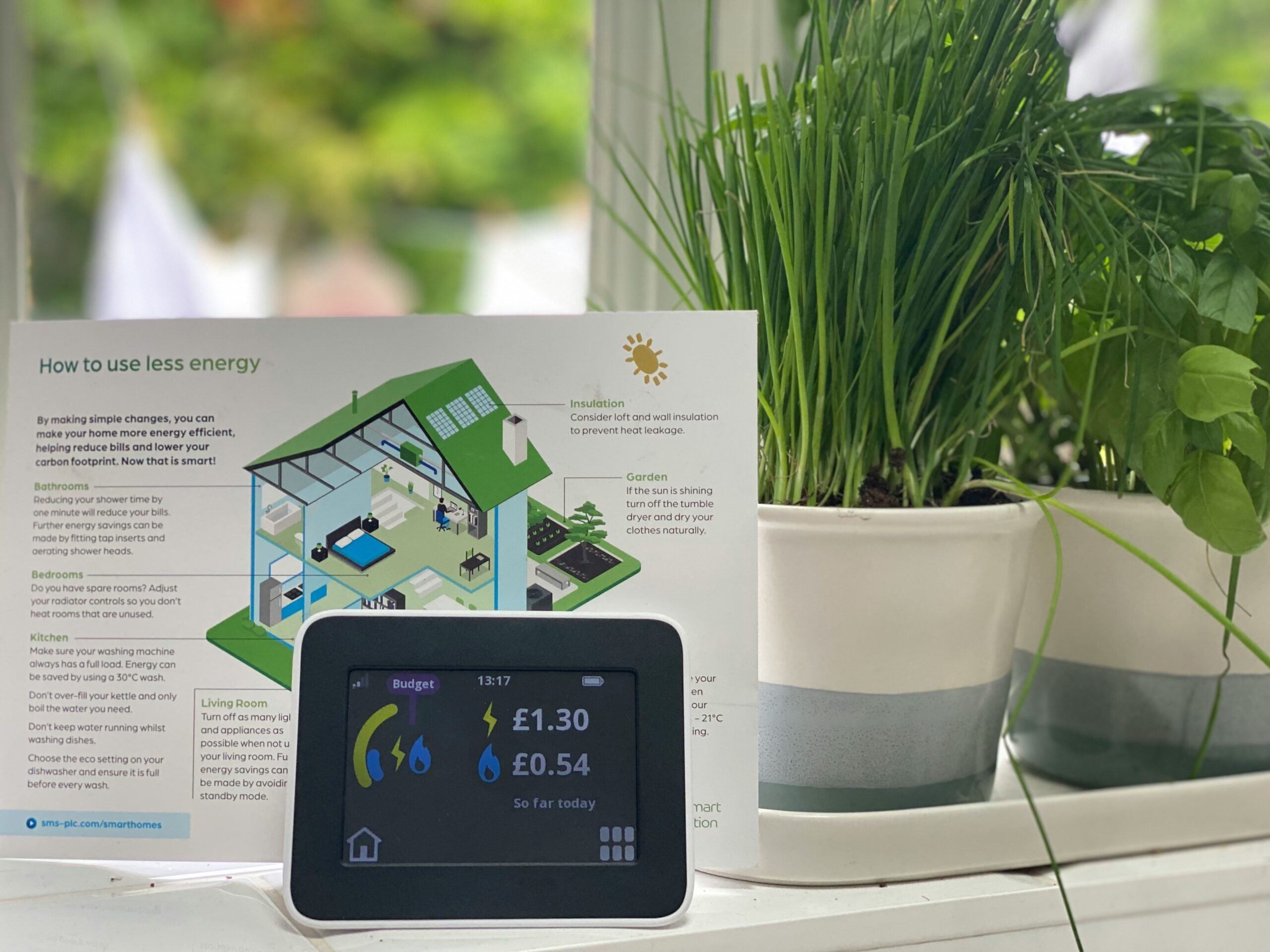
Cutting energy costs doesn’t have to be complicated or overwhelming, especially if you start early and take a proactive approach. Every choice you make this winter impacts the financial health of your business, so prioritizing efficiency now will pay off long after the temperature rises. Reducing waste is a practical way to protect your profits and preserve resources without sacrificing comfort or performance.
You don’t need a massive renovation to make a difference. With smart upgrades, strategic purchases, and team awareness, you’ll reduce spending while creating a more sustainable workplace. Cutting energy costs benefits your business, your employees, and the environment, and there’s no better season to take action than right now.
If you’re ready to get ahead of rising winter bills, start today. Choose one strategy, put it into motion, and watch your energy savings grow from there. The sooner you commit, the sooner you’ll see just how far cutting energy costs can take your business.
We hope you love the products we recommend! Just so you know, Talk District may collect a share of sales or other compensation from the links on this page.